Procuring high-quality personal protective equipment (PPE) is a critical operational expense for any enterprise. According to recent industry reports, businesses that invest in certified safety gear reduce workplace injury rates by an average of 30 percent. This statistic highlights the financial imperative of sourcing reliable protection without overspending. Companies must navigate a complex market of specialized vendors to find the right balance between cost efficiency and regulatory compliance. The following guide outlines the strategic approach to purchasing workplace safety supplies.
Understanding PPE Standards and Compliance
Before analyzing prices, it is essential to define what constitutes valid protective gear. PPE is equipment worn to minimize exposure to hazards that cause serious workplace injuries and illnesses. In the European Union, compliance is governed by strict regulations. For instance, head protection must meet the EN 12492 standard for mountaineering and industrial use. Footwear requires S3L certification for slip resistance and penetration protection. Ignoring these standards can lead to severe legal penalties and increased insurance premiums.
Competitive pricing often correlates with the level of certification. Generic, non-certified gear is cheaper but legally unusable in most industrial settings. Therefore, the true cost of safety includes the price of the item plus the cost of potential liability. Vendors like Zavas specialize in providing certified inventory that meets these rigorous European norms. They ensure that every item, from helmets to high-visibility vests, carries the necessary CE marking.
Key Product Categories for Industrial Safety
Workplace safety is multifaceted. A comprehensive procurement strategy covers several distinct categories. Each category has different price points and usage cycles.
Head and Face Protection
Head injuries are among the most common industrial accidents. Protective helmets must offer impact absorption and electrical insulation. Advanced models feature ventilation systems and adjustable suspension for comfort during long shifts. The Kask ZenithX helmet is a prime example of modern safety engineering. It includes antibacterial lining and quick-dry materials. These features reduce downtime due to discomfort and improve worker retention.
Protective Clothing
Workwear must balance durability with mobility. High-visibility clothing is apparel designed to make the wearer easily seen in low-light conditions. Materials like polyamide blends offer UPF 40+ protection against UV rays. Short-sleeve shirts and cargo shorts with reinforced knees are staples for construction and maintenance crews. The HH Kensington series, for example, uses four-way stretch fabric. This allows for full range of motion while maintaining a professional appearance.
Safety Footwear
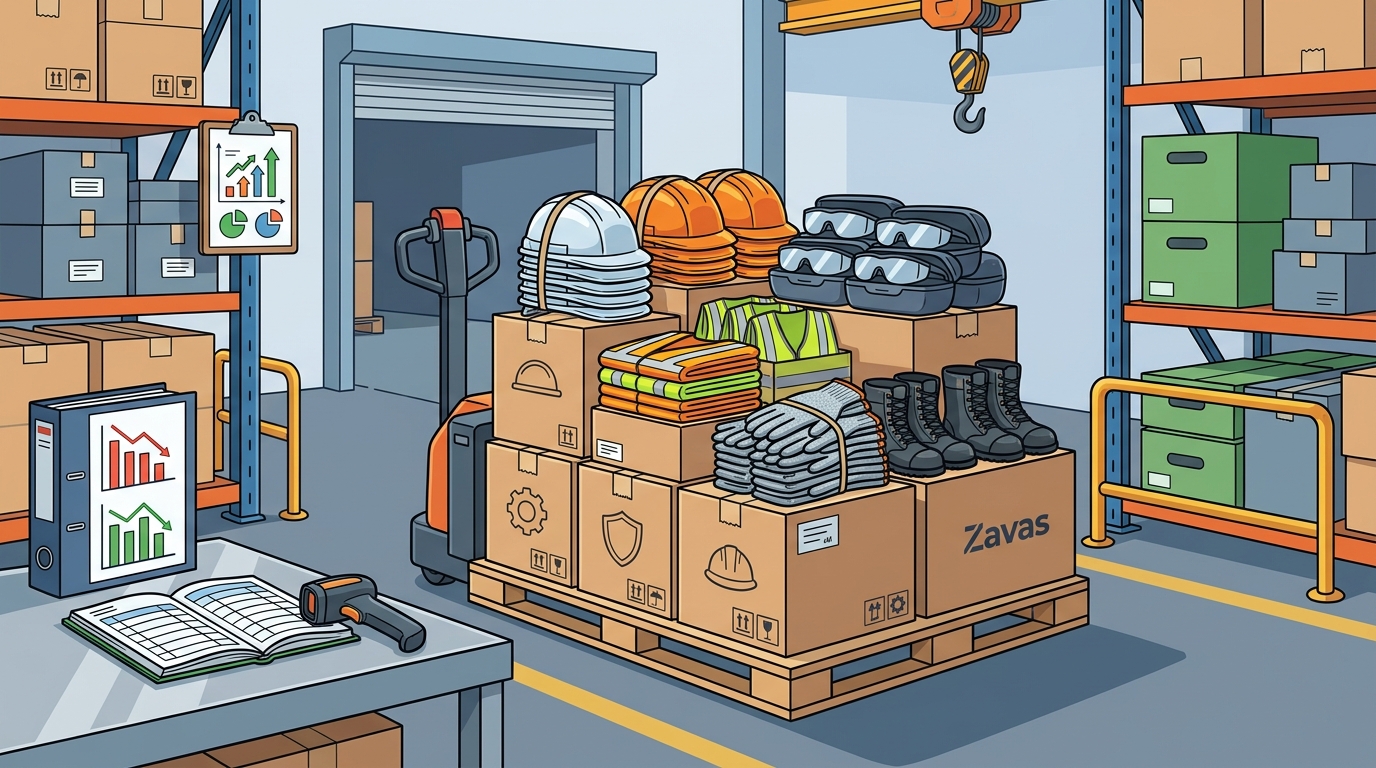
Foot protection is the foundation of worker safety. Steel-toe boots prevent crush injuries from falling objects. The Elten Joran Boa S3L demonstrates the integration of technology in safety gear. The Boa dial system allows for precise fit adjustment without laces. This reduces the risk of tripping and ensures consistent pressure distribution. Competitive prices for such specialized footwear are found through bulk procurement channels.
Pricing Strategies and Cost Analysis
Understanding the pricing model is key to securing competitive rates. Most B2B safety suppliers operate on a net price basis, excluding VAT. In Slovenia, for example, the standard VAT rate is 22 percent. This means the displayed price is the base cost before tax. Buyers must calculate the total landed cost, including shipping and handling.
Bulk purchasing is the most effective way to lower unit costs. Suppliers often offer tiered discounts for orders exceeding specific thresholds. For instance, ordering fifty pairs of safety boots may trigger a significant discount compared to buying ten. Additionally, seasonal sales can provide opportunities to stock up on non-perishable items like gloves and eyewear.
Subscription models are also emerging in the safety sector. These programs automate reordering of consumables like masks and earplugs. They ensure that safety supplies are never out of stock, preventing operational delays. The cost per unit in a subscription model is often lower than one-off purchases.
Vendor Selection and Logistics
Choosing the right supplier involves more than just comparing price tags. Logistics, customer service, and product range are critical factors. A vendor with a robust distribution network can deliver goods faster, reducing the time workers are without protection.
Physical presence is a major advantage for safety suppliers. Companies with multiple store locations, such as Zavas with locations in Maribor and Koper, offer convenience for local businesses. Employees can try on footwear and clothing in person to ensure proper fit. This reduces return rates and ensures immediate availability of critical items.
Technical support is another differentiator. Safety equipment is complex. Workers need guidance on proper usage and maintenance. Vendors that provide expert consultation help businesses select the right products for their specific hazards. This reduces the risk of purchasing incorrect or inadequate gear. The Zavas contact center offers professional advice on product selection and order assistance.
Comparison of Procurement Options
Businesses have several avenues for purchasing PPE. Each option has distinct advantages and disadvantages regarding cost, speed, and convenience.
| Procurement Method | Cost Efficiency | Speed of Delivery | Expert Support |
|---|---|---|---|
| Specialized Safety Retailer | High (Bulk Discounts) | Fast (Local Stock) | High (Technical Experts) |
| General Online Marketplace | Variable | Slow (Third-Party) | Low (Automated) |
| Direct Manufacturer | Medium (MOQ Required) | Medium | Medium |
| Local Hardware Store | Low (Retail Markup) | Immediate | Low |
Specialized retailers often win on total value. They combine competitive pricing with expert support and certified products. General marketplaces may offer lower upfront costs but lack the verification of safety standards. Direct manufacturing requires large minimum order quantities, which may not suit small to medium enterprises.
Key Takeaways
- Certified PPE reduces workplace injury rates by approximately 30 percent, justifying the investment.
- Compliance with standards like EN 12492 and S3L is non-negotiable for legal and safety reasons.
- Bulk purchasing and seasonal sales are effective strategies for lowering unit costs.
- Physical store locations allow for proper fitting of footwear and clothing, reducing returns.
- Technical support from specialized vendors ensures the correct selection of gear for specific hazards.
- Subscription models automate reordering of consumables, preventing stockouts.
- Specialized retailers offer a superior balance of price, speed, and expertise compared to general marketplaces.
Frequently Asked Questions
How do I determine the correct size for protective clothing?
Consulting the manufacturer's size chart is the first step. However, trying on garments in a physical store ensures the best fit for mobility and comfort. Zavas provides guidance on selecting the right size for various body types.
What is the difference between S3 and S3L footwear?
S3 indicates steel-toe protection and slip resistance. The L suffix denotes additional water resistance. This makes S3L shoes ideal for wet outdoor environments. Elten Joran S3L is a popular choice for such conditions.
Are online purchases of PPE safe and reliable?
Yes, provided you buy from authorized distributors. Ensure the vendor is reputable and offers certified products. Zavas is a trusted source for online safety equipment purchases.
How often should safety helmets be replaced?
Helmets should be replaced every three to five years, or immediately after a significant impact. The materials degrade over time, reducing their effectiveness. Regular inspection is crucial for maintaining safety.
Do you offer discounts for bulk orders?
Yes, most specialized safety suppliers offer tiered pricing for bulk purchases. Contacting their sales team directly can reveal additional corporate discounts.
What is the return policy for safety gear?
Return policies vary by vendor. Many allow returns for unused items within a specific timeframe. Zavas facilitates easy exchanges for ill-fitting clothing and footwear.
Can I get expert advice on PPE selection?
Specialized retailers employ safety experts who can advise on the best gear for specific industrial hazards. This service is often available via phone or in-store consultation.
Secure Your Safety Supply Chain
Protecting your workforce is a priority that should not be compromised by high costs or logistical hurdles. By choosing a specialized supplier, you gain access to certified products, expert advice, and competitive pricing. Visit Zavas today to explore their comprehensive range of workplace protective equipment. Their team is ready to help you build a safer, more efficient work environment.