

Personal Protective Equipment (PPE) is not merely a regulatory checkbox but a critical engineering solution designed to mitigate workplace hazards. According to recent industrial safety reports, proper PPE usage can reduce workplace injuries by up to 67% in high-risk sectors. This guide provides a definitive overview of safety standards, product selection, and compliance protocols for professionals in Slovenia and the EU market.
What is PPE and Why It Matters
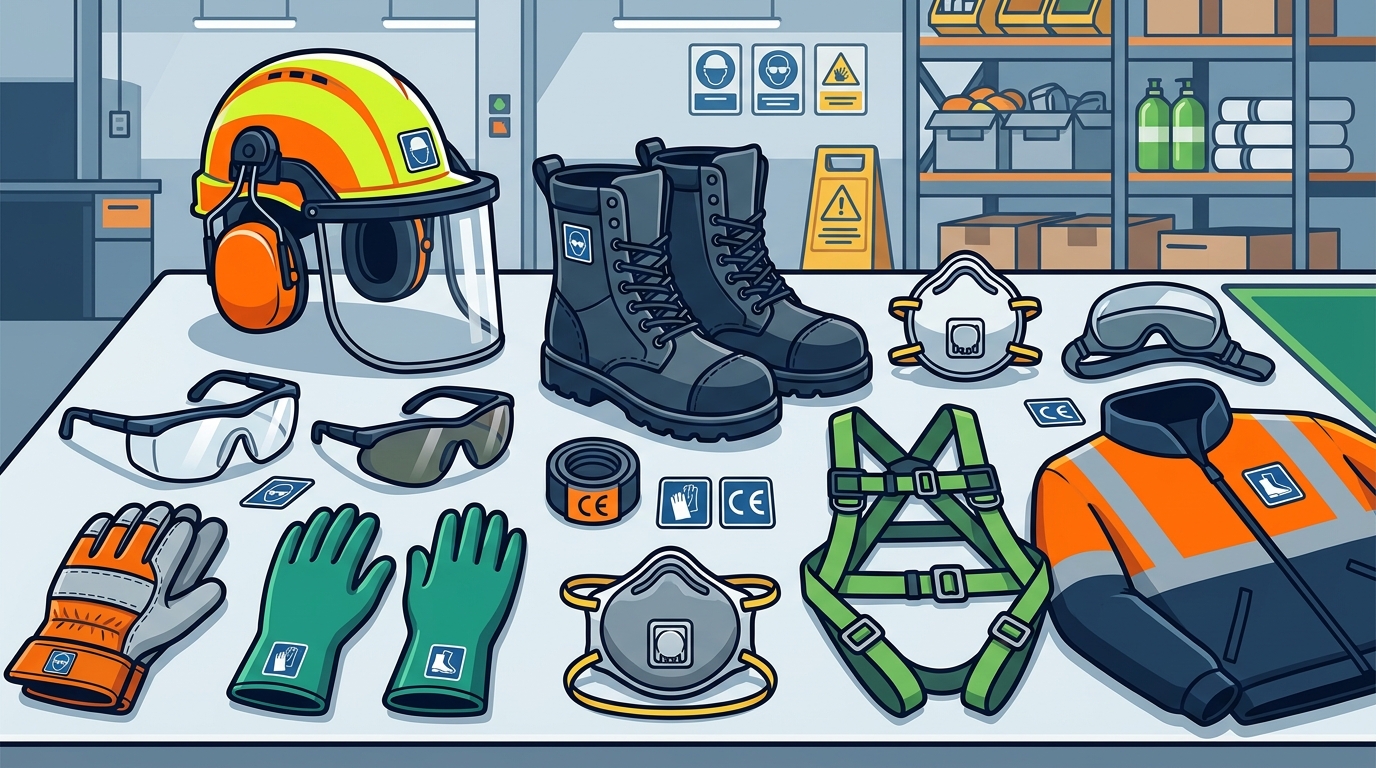
PPE is defined as any equipment worn or held by a worker to protect against one or more health and safety hazards. In industrial environments, this includes everything from steel-toed boots to high-visibility vests. The primary goal is to create a barrier between the worker and potential dangers such as chemical splashes, falling objects, or electrical arcs.
Compliance with the EU PPE Regulation (EU) 2016/425 is mandatory for all manufacturers and distributors. This regulation ensures that every piece of equipment meets rigorous safety requirements before entering the market. For businesses, maintaining a robust PPE program is essential for legal compliance and employee welfare.
At Zavas, we specialize in providing certified PPE that meets these exacting standards. Our catalog includes products from leading brands like Helly Hansen and Bekina, ensuring that your team is equipped with reliable gear.
Understanding EU Safety Standards
Navigating the complex landscape of safety standards is crucial for effective risk management. Each category of PPE has specific EN (European Norm) standards that dictate performance levels.
Footwear Standards
Safety footwear is categorized by its protective features. The most common classifications include:
- S1: Basic safety shoes with a closed heel and antistatic properties.
- S3: Advanced protection including a cleated outsole and penetration-resistant midsole.
- S5: S3 standards plus a water-resistant upper and full penetration resistance.
For example, the HH Oslo 2.0 S1PS offers aluminum toe protection and excellent slip resistance, making it ideal for wet industrial environments. Meanwhile, the Elten Joran Boa S3L provides lightweight comfort for long-duration wear.
High-Visibility Standards
High-visibility clothing must comply with EN ISO 20471. This standard classifies garments into three classes based on the amount of fluorescent background material and retro-reflective tape. Class 3 offers the highest visibility, suitable for high-risk road work.
Our range of workwear guides details how to choose the correct class for your specific operational needs.
Selecting the Right Safety Footwear
Choosing the correct footwear involves balancing protection, comfort, and durability. Factors such as terrain, weather conditions, and specific hazards (e.g., electrical risks) play a significant role in this decision.
Material Considerations
Modern safety boots utilize advanced materials to enhance performance. For instance, polyurethane (PU) soles offer superior shock absorption and chemical resistance compared to traditional rubber. The Bekina Steplite Easy Grip S5 boots are 40% lighter than standard rubber boots, reducing worker fatigue significantly.
Fit and Comfort
Poorly fitting PPE can lead to discomfort and reduced productivity. Features like anatomical insoles and breathable linings are essential for all-day wear. The HH Barcode O1 incorporates breathable mesh materials to keep feet cool and dry.
High-Visibility and Protective Workwear
Protective clothing must withstand harsh conditions while allowing for freedom of movement. Key features include reinforced knees, adjustable cuffs, and weather-resistant coatings.
Weather Protection
For outdoor work, waterproof and windproof garments are critical. The HH Voss Rain Jacket and matching rain trousers provide reliable protection against heavy rain while maintaining breathability.
Reflective Elements
Reflective strips are vital for visibility in low-light conditions. Our cargo pants, such as the HH Oxford Cargo 4X, feature integrated reflective elements and durable fabric blends for maximum longevity.
PPE Product Comparison Matrix
The following table compares key PPE categories to help you make informed decisions.
| Category | Key Standard | Best Use Case | Recommended Product |
|---|---|---|---|
| Safety Footwear S3 | EN ISO 20345 | Industrial construction | Elten Joran Boa |
| Safety Footwear S5 | EN ISO 20347 | Agriculture & wet environments | Bekina Steplite |
| High-Vis Jacket | EN ISO 20471 | Road work & logistics | HH Voss Jacket |
| Work Pants | EN 14404 | General industry | HH Oxford Cargo |
Key Takeaways
- PPE must comply with EU Regulation (EU) 2016/425 to ensure legal safety standards.
- Safety footwear classifications (S1, S3, S5) dictate the level of protection against penetration and water.
- Lightweight materials like PU can reduce worker fatigue by up to 40% compared to traditional rubber.
- High-visibility clothing requires EN ISO 20471 certification for road safety compliance.
- Regular inspection and replacement of PPE are essential for maintaining protection efficacy.
- Proper fit and comfort features significantly impact worker productivity and safety.
- Zavas offers a comprehensive catalog of certified PPE from top European brands.
Frequently Asked Questions
What is the difference between S1 and S3 safety shoes?
S1 shoes offer basic protection with antistatic properties and a closed heel. S3 shoes add a penetration-resistant midsole and a cleated outsole for better grip and protection against sharp objects.
How often should safety footwear be replaced?
While there is no fixed expiration date, safety shoes should be replaced when the midsole compresses, the outsole wears down, or the toe cap is damaged. Regular inspections are recommended every six months.
What does EN ISO 20471 certify?
EN ISO 20471 certifies high-visibility clothing, ensuring it meets minimum requirements for fluorescent background material and retro-reflective tape to maximize worker visibility.
Are composite toe caps better than steel?
Composite toe caps are non-conductive and lighter than steel, making them ideal for electrical work. However, steel caps offer superior impact resistance in heavy industrial settings.
How do I choose the right high-visibility class?
Class 1 is for low-risk environments. Class 2 is for moderate risk, such as urban traffic. Class 3 is for high-risk environments like highway construction or night work.
Does Zavas offer bulk discounts for PPE?
Yes, Zavas provides competitive pricing for bulk orders. Contact our sales team for a customized quote based on your volume requirements.
What is the warranty period for safety boots?
Warranty periods vary by manufacturer. Typically, structural defects are covered for one year. Check the specific product page for detailed warranty information.
Contact Zavas for Expert Advice
Ensuring your team is protected requires more than just buying gear. It requires expert guidance on compliance, fit, and performance. Visit our product catalog to explore our full range of PPE. For personalized advice, contact our customer support team or visit our showrooms in Slovenia.