

Common Pitfalls When Purchasing Protective Work Equipment in Slovenia
Workplace safety is not merely a regulatory checkbox but a fundamental operational imperative. According to recent industry data, improper selection of personal protective equipment (PPE) contributes to a significant percentage of preventable industrial injuries across Europe. In Slovenia, where strict adherence to EU safety directives is mandatory, businesses face unique challenges in sourcing compliant gear. This guide outlines the critical errors companies make when procuring safety gear and provides actionable strategies to ensure your workforce remains protected without compromising on comfort or compliance.
Understanding CE Marking and EN Standards
The most frequent error in procurement is the assumption that all "safety" gear is created equal. In the European Union, and by extension Slovenia, protective equipment must carry the CE mark. This signifies that the product meets strict health, safety, and environmental protection standards. However, the CE mark alone is not enough. Buyers must look for specific European Norm (EN) standards relevant to the hazard.
For instance, protective footwear is governed by EN ISO 20345. A common pitfall is purchasing shoes that meet the basic S1 standard when the workplace requires the higher impact and penetration resistance of S3. Failing to match the EN standard to the specific risk assessment of the job site leaves employees vulnerable to injuries that could have been prevented. Always consult the technical datasheet to verify the exact classification.
The Footwear Fit and Certification Trap
Footwear is the most critical piece of PPE for many industries, yet it is also the most frequently misjudged. The primary pitfall here is prioritizing aesthetics or initial price over ergonomic fit and long-term durability. Ill-fitting safety boots can lead to chronic musculoskeletal disorders, reducing productivity and increasing absenteeism.
Consider the HH Oslo 2.0 safety shoes. These are designed with HH AEROSTRIDE technology, which combines EVA and nitrogen for optimal cushioning. Ignoring such technological advancements in favor of cheaper, non-branded alternatives often results in premature wear and reduced protection. Furthermore, the toe cap material matters. Aluminum caps are lighter but conduct temperature, while composite caps offer non-metallic protection suitable for environments with metal detectors or electrical hazards.
Textile Misconceptions: Durability vs. Protection
When it comes to workwear, many procurement managers fall into the trap of buying standard clothing and labeling it as "workwear." This is a dangerous misconception. Professional workwear must be engineered to withstand specific industrial abrasions, chemical exposures, and mechanical stresses.
A key example is the use of high-visibility clothing. High-visibility clothing is defined by its ability to reflect light and stand out against complex backgrounds. The EN ISO 20471 standard dictates the minimum area of fluorescent background material and retro-reflective tape required for different risk classes (Class 1, 2, or 3). Purchasing Class 1 gear for a high-traffic industrial zone is a severe compliance violation. Similarly, for general durability, fabrics like the HH Oxford cargo pants utilize a 4-way stretch fabric with reinforced knees, offering superior mobility and tear resistance compared to standard cotton blends.
Ignoring Weather-Specific Requirements
Slovenia experiences distinct seasonal variations that directly impact the efficacy of PPE. A common oversight is purchasing summer gear in winter or vice versa. For example, standard rubber boots can become brittle in freezing temperatures and dangerously slippery on ice. Conversely, insulated boots can cause overheating and excessive sweating in summer, leading to skin maceration and fungal infections.
Look for gear with specific thermal properties. The Bekina Steplite Easy Grip S5 boots are engineered to be 40% lighter than traditional rubber boots while offering thermo-insulation that keeps feet cool in summer and warm in winter. This versatility is crucial for outdoor workers in agriculture or construction who face variable weather conditions. Ignoring these nuances can lead to discomfort, reduced morale, and ultimately, non-compliance with safety protocols.
The Training Gap: Equipment Without Education
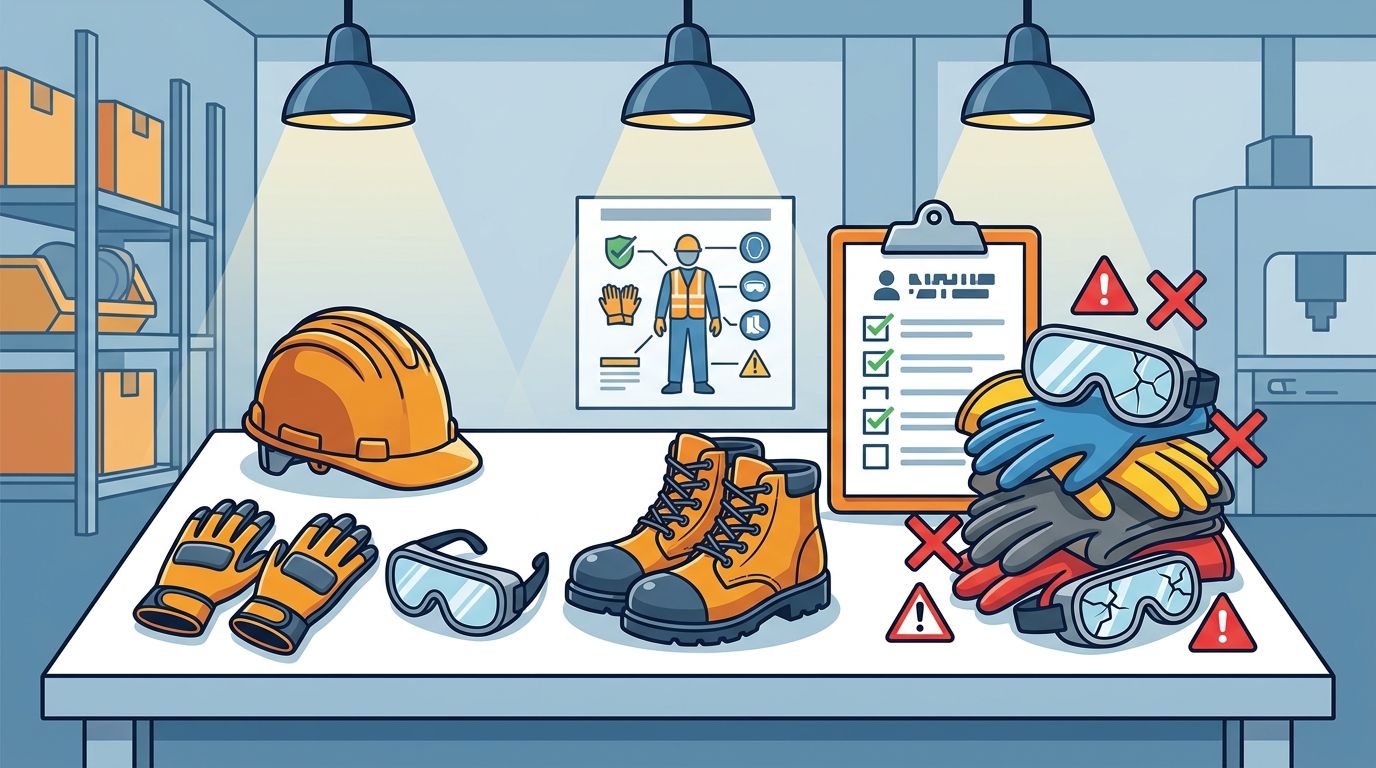
Even the most expensive and certified PPE is useless if the wearer does not know how to use it correctly. A significant pitfall is the assumption that purchasing the gear completes the safety cycle. In reality, proper training is a legal requirement under Slovenian occupational health and safety regulations.
Employees must be trained on the limitations of their equipment. For instance, high-visibility clothing must be inspected regularly for dirt and damage that reduce reflectivity. Safety harnesses require specific knotting techniques and anchor points. Zavas offers courses for safe work at heights, which are essential for ensuring that the equipment purchased is used effectively. Without this educational component, the investment in hardware is largely wasted.
Cost vs. Value: The True Price of Safety
The final and perhaps most costly pitfall is focusing solely on the upfront purchase price. Cheap PPE often fails prematurely, requiring frequent replacement and increasing the total cost of ownership. Moreover, the cost of an injury far exceeds the savings on equipment. This includes medical expenses, lost productivity, and potential legal penalties.
| Pitfall Category | Common Mistake | Recommended Solution |
|---|---|---|
| Footwear | Choosing style over EN standard compliance | Verify S1/S3/S5 classification based on risk assessment |
| Textiles | Using non-fluorescent materials for visibility | Ensure EN ISO 20471 Class 2 or 3 compliance |
| Weather | Using single-season gear year-round | Select thermo-insulated or breathable options as needed |
| Training | Assuming purchase equals safety | Implement mandatory training and regular inspections |
Key Takeaways
- CE Marking is Mandatory: Always verify the CE mark and specific EN standards for every item of PPE.
- Fitness for Purpose: Match the PPE class to the specific hazards of the job site, not just general preferences.
- Comfort Drives Compliance: Employees are more likely to wear PPE correctly if it is ergonomic and comfortable.
- Training is Critical: Equipment must be accompanied by proper instruction on use and maintenance.
- Quality Over Price: Invest in durable brands like Helly Hansen or Bekina to reduce long-term costs.
- Regular Inspections: Establish a routine for checking PPE for wear and tear.
- Expert Consultation: Utilize professional services to assess your specific safety needs.
Frequently Asked Questions
What is the difference between S1 and S3 safety shoes?
S1 shoes offer basic protection with a closed heel and antistatic properties. S3 shoes provide additional protection against water penetration and a puncture-resistant midsole, making them suitable for wetter and more hazardous environments.
Why is EN ISO 20471 important for high-visibility clothing?
EN ISO 20471 sets the minimum requirements for the amount of fluorescent and retro-reflective material needed to ensure the wearer is visible in low-light conditions. Without this standard, the clothing may not provide adequate safety.
How often should safety equipment be replaced?
Replacement frequency depends on usage and wear. However, manufacturers typically recommend annual inspections and replacement every 2-5 years for items like harnesses, even if they appear undamaged.
Can I use regular work boots for industrial safety?
No. Regular work boots lack the reinforced toe caps, puncture-resistant soles, and other certifications required to protect against specific industrial hazards.
Where can I find training for safety equipment in Slovenia?
Specialized providers like Zavas offer courses for safe work at heights and other safety training programs to ensure compliance and proper usage.
What is the best material for protective gloves?
The best material depends on the hazard. For cut resistance, Kevlar or high-performance polyethylene is ideal. For chemical resistance, nitrile or neoprene may be required. Always consult the chemical compatibility chart.
Secure Your Workforce Today
Protecting your employees is the most important investment you can make. By avoiding these common pitfalls and choosing the right equipment, you ensure a safer, more productive workplace. Contact Zavas today to consult with our experts and find the perfect protective gear for your team.