
Cost-Benefit Analysis of On-Site Safety Training From Your PPE Supplier
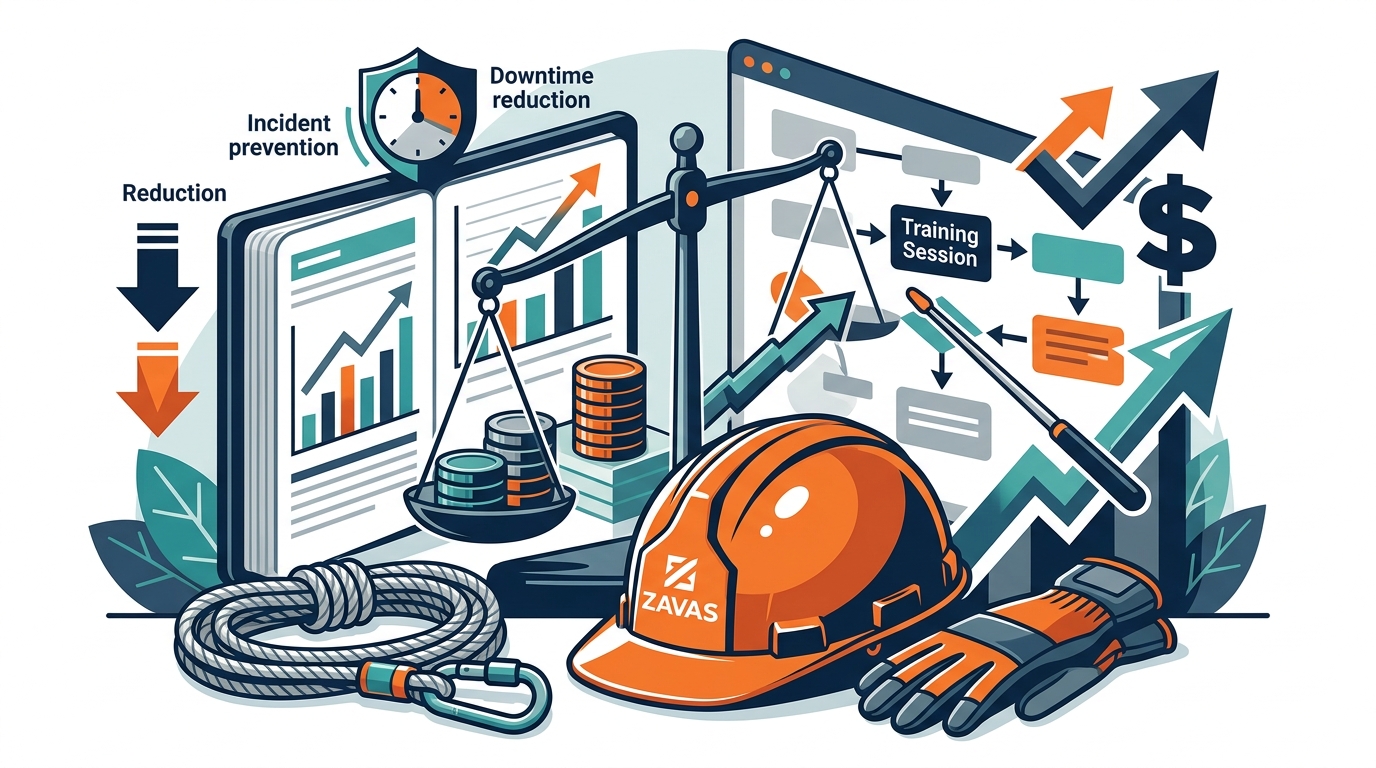
Investing in professional safety training is no longer just a regulatory checkbox. It is a strategic financial decision that directly impacts your bottom line. According to recent industry data, companies that integrate supplier-led training see a significant reduction in workplace incidents, which correlates directly with lower insurance premiums and reduced downtime. When you partner with a specialized provider like Zavas, you are not just buying gear. You are securing a comprehensive safety ecosystem that protects your workforce and your capital.
Direct Costs vs. Hidden Savings
Many procurement managers view on-site training as an additional line item. This perspective ignores the substantial hidden costs of inadequate safety knowledge. When employees lack proper training, the risk of equipment misuse increases. This leads to premature wear on Personal Protective Equipment (PPE) and higher replacement costs. For instance, specialized workwear like the HH Chelsea Evolution series is designed for durability, but improper care and usage can drastically shorten its lifespan.
On-site training eliminates guesswork. It ensures that your team understands the specific limitations and capabilities of the gear they wear. This knowledge translates into longer asset life. You get more value from every pair of boots and every high-visibility jacket. Furthermore, trained workers are less likely to cause accidents. This reduces the direct costs associated with medical claims and legal fees. The return on investment becomes clear when you calculate the total cost of ownership for your safety program.
The Value of Supplier Expertise
General safety courses often lack the nuance required for specific industrial environments. Your PPE supplier possesses deep technical knowledge about the products they sell. They understand the material science behind Cordura® reinforcements and the ergonomic design of stretch fabrics. This expertise is invaluable when training your staff.
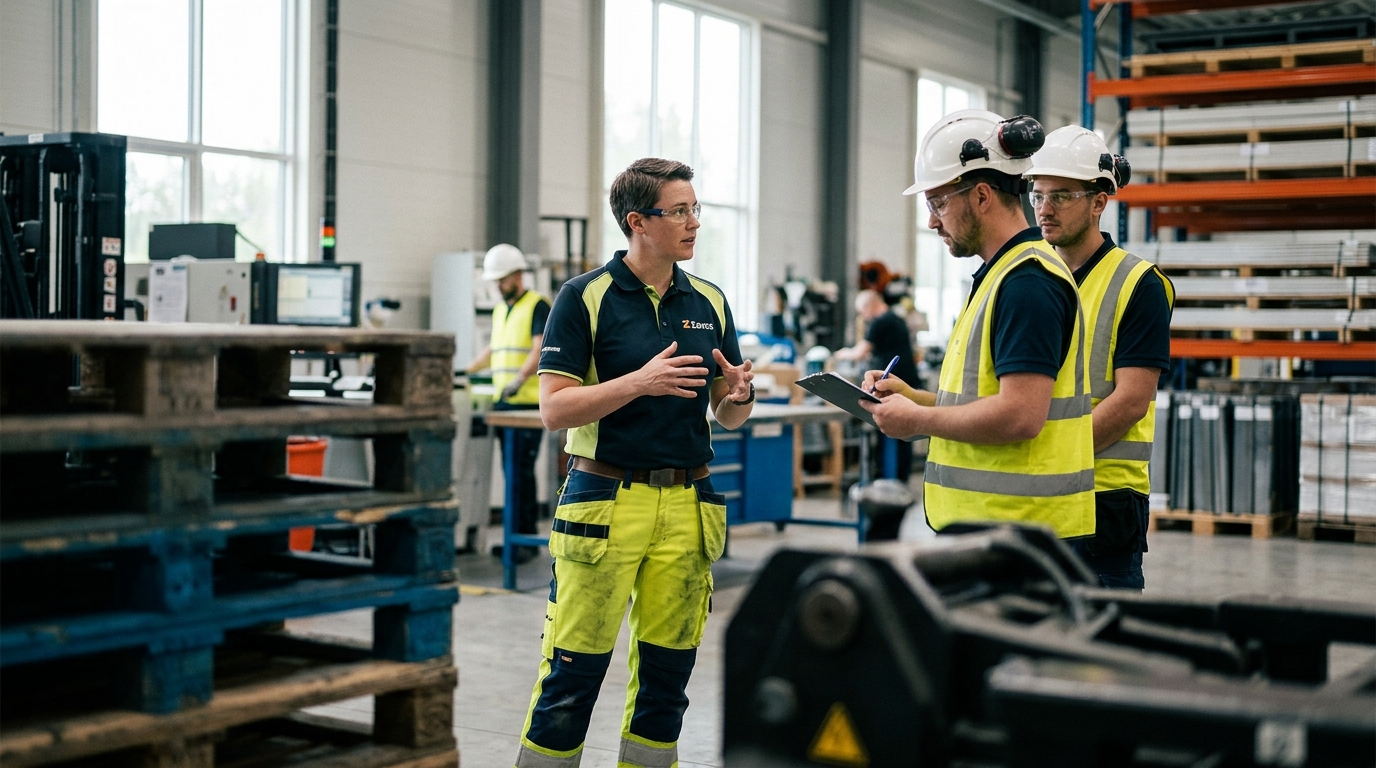
When a supplier conducts on-site training, they can demonstrate exactly how to adjust knee pads for optimal mobility. They can show you how to properly maintain high-visibility clothing to ensure it meets regulatory standards. This hands-on approach is far more effective than theoretical learning. It builds confidence among your workers. They know they are using the right tools correctly. This confidence reduces anxiety and improves focus on the task at hand.
Consider the latest insights on safety standards provided by industry leaders. These resources highlight the importance of continuous education. Your supplier acts as a knowledge partner. They keep you updated on new technologies and best practices. This ongoing support is a critical component of a robust safety culture.
Operational Efficiency Gains
Safety training is not just about preventing harm. It is about enabling work to happen smoothly. When workers are trained, they spend less time figuring out how to use their equipment. They spend less time dealing with discomfort or fit issues. This leads to faster task completion and higher productivity.
On-site training allows for immediate feedback. Instructors can correct techniques in real-time. This ensures that every employee leaves the session with the correct skills. The result is a more efficient workforce. Projects move forward without unnecessary delays caused by safety incidents or equipment failures.
Additionally, trained employees are more engaged. They feel valued when their company invests in their safety. This boosts morale and reduces turnover. High turnover is expensive. It requires recruiting, hiring, and training new staff. By investing in training, you retain your skilled workforce. This stability is crucial for long-term operational success.
Regulatory Compliance and Risk Mitigation
Workplace safety regulations are complex and constantly evolving. Staying compliant requires constant vigilance. On-site training from a certified provider ensures that your company meets all legal requirements. This protects you from fines and penalties. It also demonstrates due diligence in the event of an incident.
Risk mitigation is a core benefit of professional training. By identifying potential hazards and teaching proper protocols, you reduce the likelihood of accidents. This creates a safer work environment. It also lowers your insurance premiums. Insurers recognize that companies with strong safety programs are lower risk. They offer better rates to these businesses.
The Zavas Center for Safe Work at Heights offers specialized training that addresses high-risk activities. This level of specialization is difficult to achieve with generic training providers. It ensures that your team is prepared for the specific challenges they face. This preparedness is a key factor in maintaining a safe and compliant workplace.
Training Models Compared
Choosing the right training model is essential for maximizing your budget. Below is a comparison of common approaches to help you make an informed decision.
| Training Model | Cost | Customization | Impact on Safety Culture |
|---|---|---|---|
| Generic Online Courses | Low | Low | Minimal |
| Third-Party Instructor | Medium | Medium | Moderate |
| Supplier On-Site Training | Medium-High | High | High |
As shown in the table, supplier-led training offers the highest level of customization. This is because the instructor knows the products inside and out. They can tailor the content to your specific needs. This relevance makes the training more effective. It also strengthens the relationship between your company and your supplier.
Key Takeaways
- On-site training reduces equipment wear and extends the life of PPE investments.
- Supplier expertise provides nuanced knowledge that generic courses cannot match.
- Proper training leads to faster task completion and higher overall productivity.
- Compliance with safety regulations is easier to maintain with professional guidance.
- Investing in safety boosts employee morale and reduces turnover rates.
- Specialized training, such as for work at heights, is critical for high-risk industries.
- The total cost of ownership is lower when training is integrated with procurement.
Frequently Asked Questions
How does on-site training reduce costs?
On-site training reduces costs by minimizing accidents, extending equipment life, and lowering insurance premiums through improved safety compliance.
Why is supplier-led training better than generic courses?
Supplier-led training is tailored to the specific products you use. This ensures that your team learns the correct handling and maintenance techniques for their gear.
Can training help with regulatory compliance?
Yes, professional training ensures that your practices meet current safety standards. This helps avoid fines and demonstrates due diligence.
What types of PPE benefit most from training?
Complex PPE such as fall protection systems, high-visibility clothing, and specialized workwear benefit significantly from hands-on instruction.
How do I find a reliable training provider?
Look for providers with a strong track record in your industry. Check for certifications and specialized centers, such as those for safe work at heights.
Is on-site training expensive?
While the upfront cost may be higher than online courses, the long-term savings from reduced incidents and better asset management outweigh the investment.
How often should safety training be conducted?
Regular training is essential. Annual refreshers are recommended, along with new hire onboarding and updates when new equipment is introduced.
Secure Your Safety Strategy
Do not leave your safety budget to chance. Partner with a provider that understands the value of comprehensive safety solutions. Contact Zavas today to schedule your on-site training session. Protect your workforce and your bottom line with expert guidance.