

Procuring personal protective equipment (PPE) through digital channels has become the standard for Slovenian businesses, yet the margin for error remains dangerously high. According to recent industry safety reports, nearly 30% of workplace incidents involve equipment that was either incompatible with the specific hazard or failed due to improper certification selection. This statistic highlights a critical gap in procurement knowledge. When you order safety gear online, you cannot physically inspect the material or verify the fit before purchase. This lack of tactile verification increases the risk of selecting items that look correct but fail under real-world conditions. The following guide details the most frequent pitfalls encountered by procurement managers and safety officers in Slovenia, offering concrete strategies to ensure your team remains protected.
Understanding PPE Certifications and Standards
The most critical error buyers make is selecting equipment based on visual appeal rather than regulatory compliance. In the European Union, PPE is categorized into three classes based on risk level. Class III covers the most severe risks, such as falling from height or exposure to lethal chemicals. CE marking is not optional; it is the legal minimum for sale and use. Many online listings may display a CE mark, but without a corresponding notified body number, the certification is invalid. Always verify that the product carries the correct EN standard for its intended use. For example, safety footwear must meet EN ISO 20345 standards, while high-visibility clothing requires EN ISO 20471. Ignoring these specific codes can lead to non-compliance during workplace inspections by the Inšpektorat Republike Slovenije for delo (IRS).
Another common oversight is failing to check the expiration dates of certain PPE items. Materials like harnesses and some chemical filters degrade over time, even if unused. Reputable suppliers like Zavas provide detailed technical data sheets that specify shelf life and usage limits. Always request these documents before finalizing a bulk order to ensure your inventory remains compliant throughout its storage period.
The Danger of Ignoring Sizing Charts
Online shopping removes the ability to try on gear, making accurate sizing paramount. A safety boot that is half a size too small can cause circulation issues, leading to fatigue and increased accident risk. Conversely, boots that are too loose can fail to provide adequate ankle support or allow debris to enter. Sizing varies significantly between brands and even between product lines within the same manufacturer. Relying on your everyday shoe size is a guaranteed path to discomfort and potential injury.
To avoid this mistake, always consult the specific manufacturer’s size chart for each item. Measure your foot length and width using a brannock device or a simple ruler and tape measure. Compare these measurements against the chart provided by the retailer. For work trousers, pay attention to the rise and inseam measurements, especially if your team includes workers of varying heights. Proper fit ensures that protective features, such as knee pad pockets or reflective strips, remain in their optimal position during movement.
Overlooking Material Compatibility
Different industrial environments demand specific material properties. A common mistake is purchasing general-purpose workwear for specialized tasks. For instance, standard polyester blends can melt onto skin when exposed to high heat or sparks, whereas flame-resistant (FR) materials like treated cotton or aramid fibers char instead. Similarly, chemical resistance varies greatly. A glove that protects against oils may offer no defense against solvents. Material compatibility is the first line of defense against chemical burns and thermal injuries.
When selecting protective clothing, review the chemical resistance charts provided by the manufacturer. Look for terms like "4-Way stretch" for mobility, as seen in advanced workwear lines, but ensure the base fabric offers the necessary durability. Cordura® reinforced areas, for example, provide exceptional abrasion resistance in high-wear zones like knees and seat. Always match the material specification to the specific hazards identified in your workplace risk assessment.
Prioritizing Price Over Compliance
In economic downturns, the temptation to choose the lowest-priced option is strong. However, PPE is an investment in human capital, not just a commodity. Cheap, uncertified equipment often fails under stress, leading to costly accidents, legal liabilities, and reputational damage. The true cost of PPE includes its lifespan, comfort, and compliance status, not just the initial purchase price. High-quality gear may cost more upfront but lasts longer and provides better protection, reducing the frequency of replacement.
Look for value-added services from your supplier. Companies like Zavas often offer professional consultation to help you select the right products for your specific needs. They may also provide bulk pricing tiers that make high-quality equipment more affordable. Additionally, consider the total cost of ownership. Equipment that is comfortable and easy to maintain will be worn more consistently by employees, ensuring continuous protection.
Choosing Unverified Online Vendors
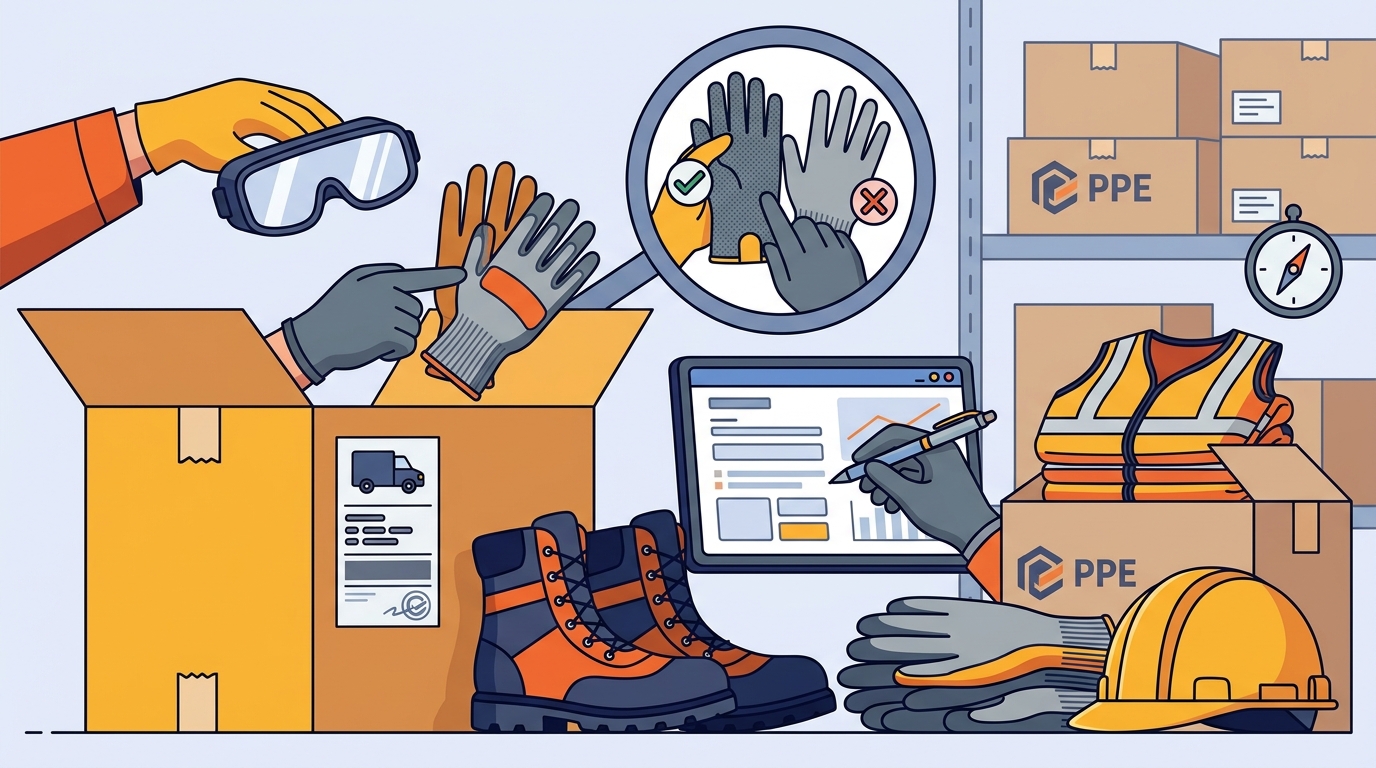
The internet is flooded with marketplaces selling counterfeit or substandard PPE. Buying from unverified vendors poses a significant risk of receiving products that do not meet safety standards. Always purchase from authorized distributors who can provide proof of authenticity and after-sales support. Authorized dealers have direct relationships with manufacturers and are trained to advise on proper usage and maintenance.
Verify the vendor’s credentials by checking for physical addresses, customer service numbers, and professional affiliations. In Slovenia, established suppliers like Zavas offer local support, including technical advice and easy returns. They also provide detailed product information, including material composition and care instructions. Avoid vendors who cannot provide clear contact information or who pressure you to buy without asking about your specific safety requirements.
PPE Selection Comparison Matrix
The table below summarizes key considerations for common PPE categories to help you avoid selection errors.
| PPE Category | Common Mistake | Correct Approach | Key Standard |
|---|---|---|---|
| Safety Footwear | Ignoring toe cap material (steel vs. composite) | Choose composite for metal detectors or electrical hazards | EN ISO 20345 |
| High-Visibility Clothing | Selecting Class 1 for road work | Use Class 2 or 3 for high-risk environments | EN ISO 20471 |
| Work Trousers | Ignoring stretch and durability balance | Look for Cordura® reinforcement in high-wear areas | EN 14404 |
| Respiratory Protection | Using expired filters | Check expiration dates and fit testing requirements | EN 149 |
Key Takeaways
- Verify CE Marking: Ensure all PPE carries a valid CE mark with a notified body number for Class II and III equipment.
- Consult Size Charts: Never assume your regular shoe size applies; measure feet and compare to manufacturer charts.
- Check Material Specs: Match fabric properties to specific hazards, such as flame resistance or chemical permeation.
- Avoid Counterfeits: Buy only from authorized distributors who provide technical support and warranty.
- Consider Total Cost: Evaluate lifespan and comfort, not just the initial price tag.
- Review Standards: Ensure products meet the specific EN standards required for your industry.
- Seek Expert Advice: Utilize supplier consultation services to validate your selections.
Frequently Asked Questions
How do I know if PPE is certified for use in Slovenia?
All PPE sold in Slovenia must comply with EU regulations and carry the CE marking. Look for the CE logo followed by a four-digit number of the notified body that certified the product. This ensures the equipment meets European safety standards.
What is the difference between Class I, II, and III PPE?
Class I covers minimal risk, such as gardening gloves. Class II covers intermediate risk, like swimming goggles. Class III covers the highest risk, including protection against lethal risks like falls from height or chemical exposure. Most industrial environments require Class II or III equipment.
Can I return PPE if it does not fit?
Return policies vary by supplier. Many authorized dealers, including Zavas, offer exchange or return options for unused items. Always check the specific terms and conditions before purchasing, especially for custom-fitted items.
How often should safety footwear be replaced?
Safety footwear should be replaced when the midsole compresses, the outsole wears through, or the toe cap is damaged. Typically, this occurs after 6 to 12 months of heavy use, but regular inspection is essential to determine the exact timing.
What are the best materials for high-visibility clothing?
High-visibility clothing should be made from fluorescent background material and retroreflective tape. The fabric should be durable and breathable to ensure comfort. Look for materials that resist fading and maintain reflectivity after multiple washes.
Do I need to test-fit respiratory masks?
Yes, fit testing is crucial for respiratory protection. A mask that does not seal properly will not protect against airborne hazards. Conduct qualitative or quantitative fit tests to ensure the selected mask model fits your face shape correctly.
Where can I find technical data sheets for PPE?
Technical data sheets are typically available on the manufacturer’s website or through authorized distributors. Suppliers like Zavas provide detailed product information, including material composition and care instructions, to help you make informed decisions.
Secure Your Safety Inventory
Avoiding these common mistakes ensures that your team remains protected and compliant. Partnering with a trusted supplier like Zavas provides access to certified products, expert advice, and reliable service. Visit our catalog today to review our range of high-quality PPE and schedule a consultation to discuss your specific safety needs.