5 Common PPE Purchasing Mistakes for Slovenian Businesses and How to Avoid Them
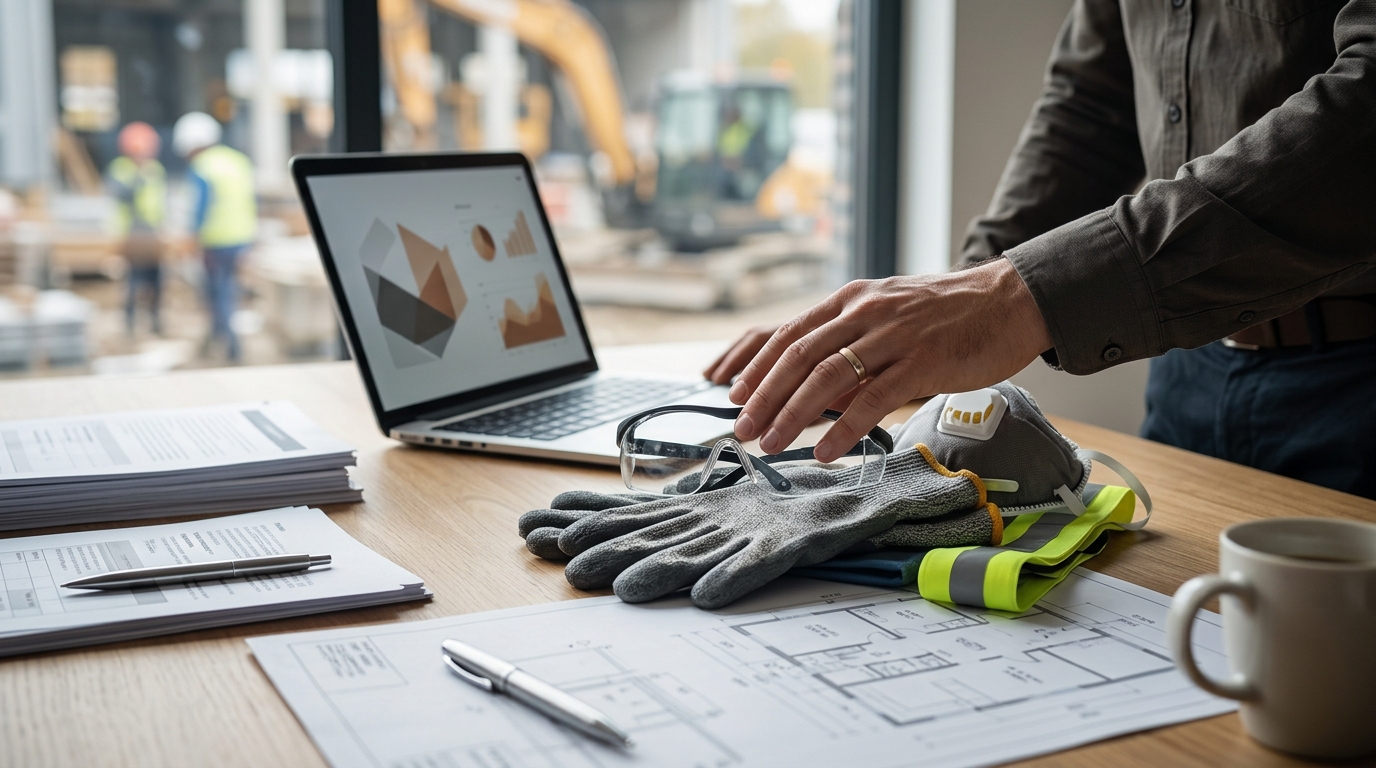
Procuring personal protective equipment (PPE) is a critical operational duty for any Slovenian enterprise. According to recent industry data, nearly 40% of workplace incidents stem from inadequate or improperly fitted safety gear. This statistic highlights the urgent need for strategic procurement rather than reactive buying. Businesses that fail to align their purchases with current safety standards risk both employee well-being and regulatory compliance. This guide outlines the most frequent purchasing errors and provides actionable solutions to protect your workforce effectively. (Nakup varovalne opreme obla)
1. Ignoring Specific Safety Standards
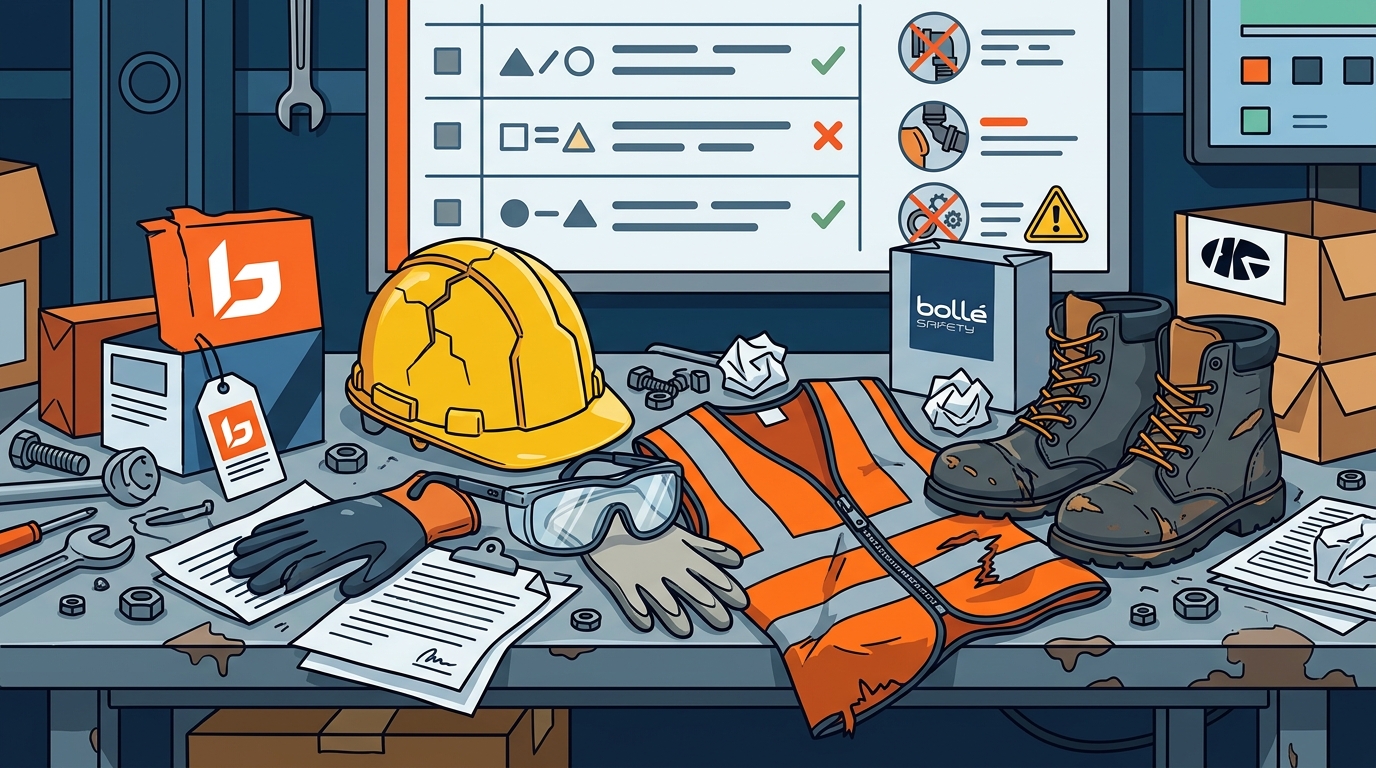
One of the most costly errors is purchasing PPE that does not meet the specific regulatory requirements for the job. In Slovenia, compliance with EN standards is mandatory for most industrial and construction applications. For example, safety footwear must carry the correct CE marking and adhere to EN ISO 20345 standards. Buying generic shoes without verifying the safety class can lead to severe legal and financial consequences. (banner bolle)
Businesses often assume that all "safety shoes" are created equal. This assumption is dangerous. A shoe rated for light industrial use may not provide sufficient protection in a heavy manufacturing environment. Always verify the exact hazard class required for your specific work zones. Consult the Zavas Amblog for detailed updates on changing safety regulations and standard classifications.
2. Prioritizing Price Over Quality
While budget constraints are real, choosing the cheapest PPE option is a false economy. Low-cost items often degrade faster, leading to more frequent replacements and higher long-term costs. Furthermore, inferior materials may fail during critical moments, exposing employees to unnecessary risk. High-quality PPE from reputable brands like Helly Hansen or Bekina offers superior durability and performance.
Consider the total cost of ownership. A slightly more expensive pair of boots might last twice as long and provide better comfort, reducing employee fatigue and absenteeism. Reviewing current promotions can help you acquire premium gear at a more accessible price point without compromising on safety integrity.
3. Neglecting Ergonomics and Fit
PPE that is uncomfortable will not be worn consistently. If safety gear feels heavy, hot, or restrictive, employees will find ways to bypass it. Ergonomics play a crucial role in compliance. For instance, modern safety shoes utilize advanced materials to reduce weight while maintaining protection. The Bekina Steplite Easy Grip S5, for example, is noted for being 40% lighter than traditional rubber boots.
Proper fit is equally important. Ill-fitting gloves can reduce dexterity, while loose helmets can compromise head protection. Encourage employees to try on gear before bulk ordering. Zavas provides expert consultation services to help you select the right sizes and models for your team's specific needs.
4. Failing to Plan for Seasonal Variations
Slovenia experiences distinct seasonal changes that impact the type of PPE required. Summer heat demands breathable, moisture-wicking fabrics, while winter requires thermal insulation and waterproofing. Many businesses make the mistake of buying a single inventory type year-round. This leads to discomfort in summer and inadequate protection in winter.
Plan your procurement cycle in advance. Order summer-specific gear in late spring and winter equipment in early autumn. Products like the HH Voss rain jacket and trousers are essential for wet conditions, while lighter cargo pants are better suited for warmer months. Staying ahead of seasonal shifts ensures your team is always prepared and comfortable.
5. Overlooking Supplier Expertise
Not all suppliers are created equal. Buying from a general retailer without specialized knowledge can lead to incorrect product recommendations. A specialized supplier like Zavas offers deep expertise in safety standards and product applications. They can guide you through complex choices, such as selecting between composite and steel toe caps based on your environment.
Partnering with an expert supplier also provides access to training resources. Zavas offers courses for safe work at heights, which is invaluable for companies in construction or maintenance. This holistic approach to safety goes beyond just selling products; it supports your overall safety culture.
Comparison of PPE Selection Criteria
| Criteria | Low-Quality Choice | High-Quality Choice | Impact on Business |
|---|---|---|---|
| Material Durability | Standard synthetic blends | Reinforced polyamide/elastane | Long-term cost savings |
| Safety Certification | Unclear or missing marks | EN ISO 20345 compliant | Regulatory compliance |
| Ergonomic Design | Heavy, rigid structures | Lightweight, flexible support | Employee comfort and retention |
| Supplier Support | Transactional only | Expert consultation and training | Improved safety culture |
Key Takeaways
- Always verify EN standards and CE markings before purchasing safety footwear.
- Invest in lightweight materials like PU or composite to reduce employee fatigue.
- Plan procurement cycles to match Slovenia's seasonal weather changes.
- Prioritize supplier expertise over price alone to ensure correct product selection.
- Utilize professional consultation services to optimize your PPE inventory.
- Consider total cost of ownership, including durability and replacement frequency.
- Integrate training resources with your PPE purchases for comprehensive safety.
Frequently Asked Questions
How do I choose the right safety shoe class?
The right class depends on the specific hazards in your workplace. S1 shoes offer basic protection, while S3 shoes provide additional penetration resistance and water repellency. Consult safety guidelines to determine the necessary level.
Why is lightweight PPE important?
Lightweight PPE reduces physical strain on employees, leading to better comfort and higher compliance rates. It also improves mobility and reduces the risk of fatigue-related accidents.
Can I return PPE if it does not fit?
Yes, Zavas offers easy exchange and return policies for selected items. It is recommended to try on samples before placing a bulk order to ensure proper fit.
What is the difference between steel and composite toe caps?
Steel toe caps are traditional and robust, while composite toe caps are lighter and non-metallic, making them suitable for environments with metal detectors or electrical hazards.
How often should PPE be replaced?
Replacement frequency depends on usage and wear. Regular inspections are crucial. Visible damage, such as cracked soles or torn fabrics, indicates immediate replacement is needed.
Does Zavas offer training for safety equipment?
Yes, Zavas provides specialized training courses, including safe work at heights, to complement your PPE purchases and enhance overall workplace safety.
What are the benefits of buying from a specialized supplier?
Specialized suppliers offer expert advice, access to a wider range of certified products, and ongoing support, ensuring you get the best protection for your specific needs.
Secure Your Workforce Today
Avoiding these common PPE purchasing mistakes is essential for maintaining a safe and compliant workplace in Slovenia. By prioritizing quality, fit, and expert guidance, you protect your most valuable asset: your people. Visit Zavas.si to explore our comprehensive range of certified safety equipment and schedule a consultation with our experts.