
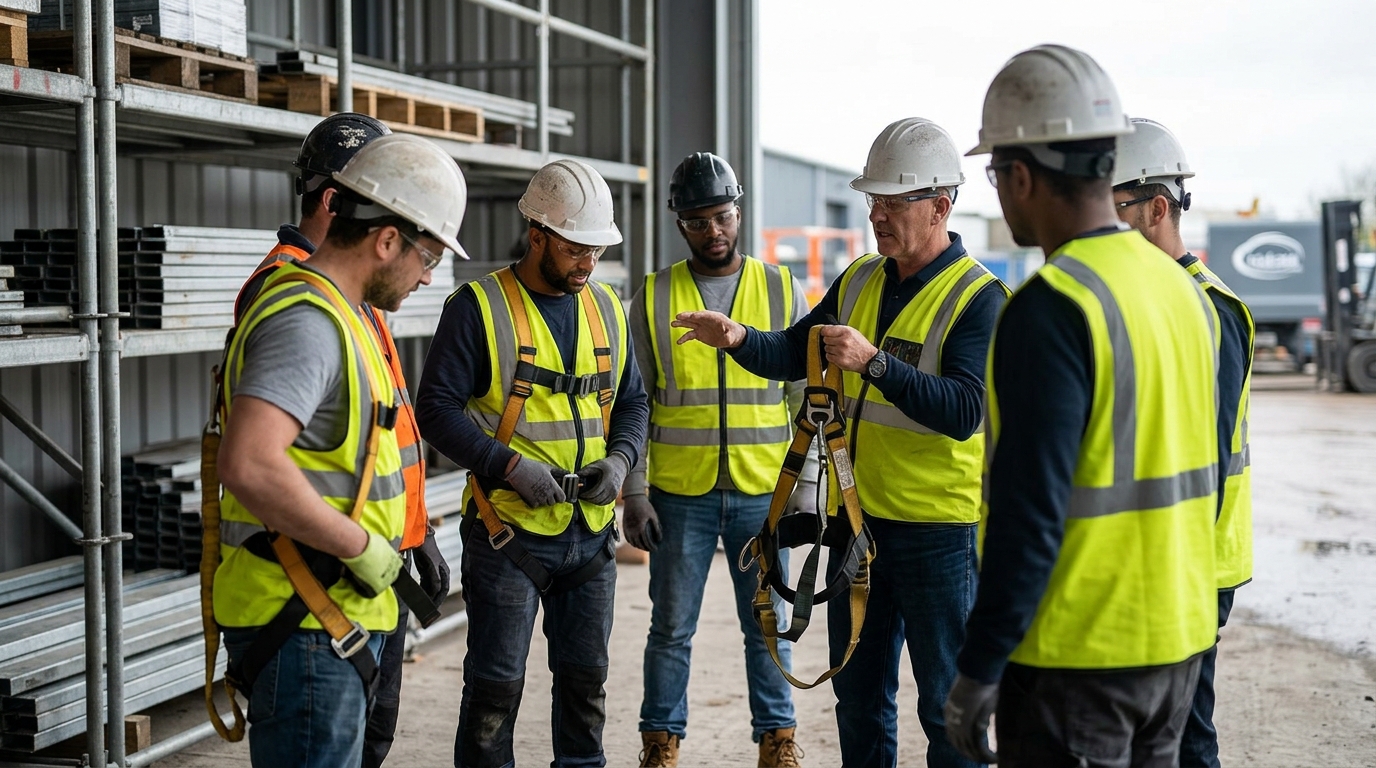
Workplace safety is no longer just about providing gear; it is about ensuring that gear is used correctly to prevent injury. Industry reports indicate that proper training can reduce workplace accidents by up to 67%. When you partner with a specialized supplier like Zavas, you gain access to expert-led sessions that bridge the gap between product specifications and daily operational reality. This guide outlines how to structure an effective on-site training program.
Step 1: Assess Your Current Safety Gaps
Before inviting a trainer, you must understand where your current protocols fail. Conduct a thorough audit of your workplace hazards. Are employees struggling with fall protection? Is there a lack of knowledge regarding chemical handling? Recent safety studies show that 40% of industrial injuries stem from improper equipment usage rather than equipment failure.
Identify the specific roles that require specialized training. For example, warehouse staff may need footwear training, while construction teams require fall arrest certification. This targeted approach ensures that your training budget is spent on high-impact areas.
Step 2: Select a Supplier With Training Expertise
Not all PPE suppliers offer educational services. You need a partner who provides more than just a catalog. Look for suppliers who offer on-site safety courses and have certified instructors. Zavas, for instance, specializes in high-altitude work training and comprehensive safety education.
Verify their credentials. Do they offer recognized certifications? Can they tailor their content to your industry? A supplier with deep technical knowledge can explain the "why" behind every safety standard, not just the "what." This depth of knowledge is critical for long-term compliance.
Step 3: Schedule On-Site Workshops
Convenience is key to attendance. Schedule workshops during low-production hours to minimize downtime. On-site training eliminates the need for employees to travel, ensuring higher participation rates. Data from safety conferences suggests that on-site sessions have a 30% higher completion rate than off-site seminars.
Structure the day with a mix of theory and practical application. Start with regulatory overviews, then move to hands-on demonstrations. Allow time for Q&A to address specific employee concerns. This interactive format keeps engagement high and reinforces learning.
Step 4: Focus on Critical PPE Categories
Effective training covers the most high-risk equipment. Prioritize the following categories based on your audit results:
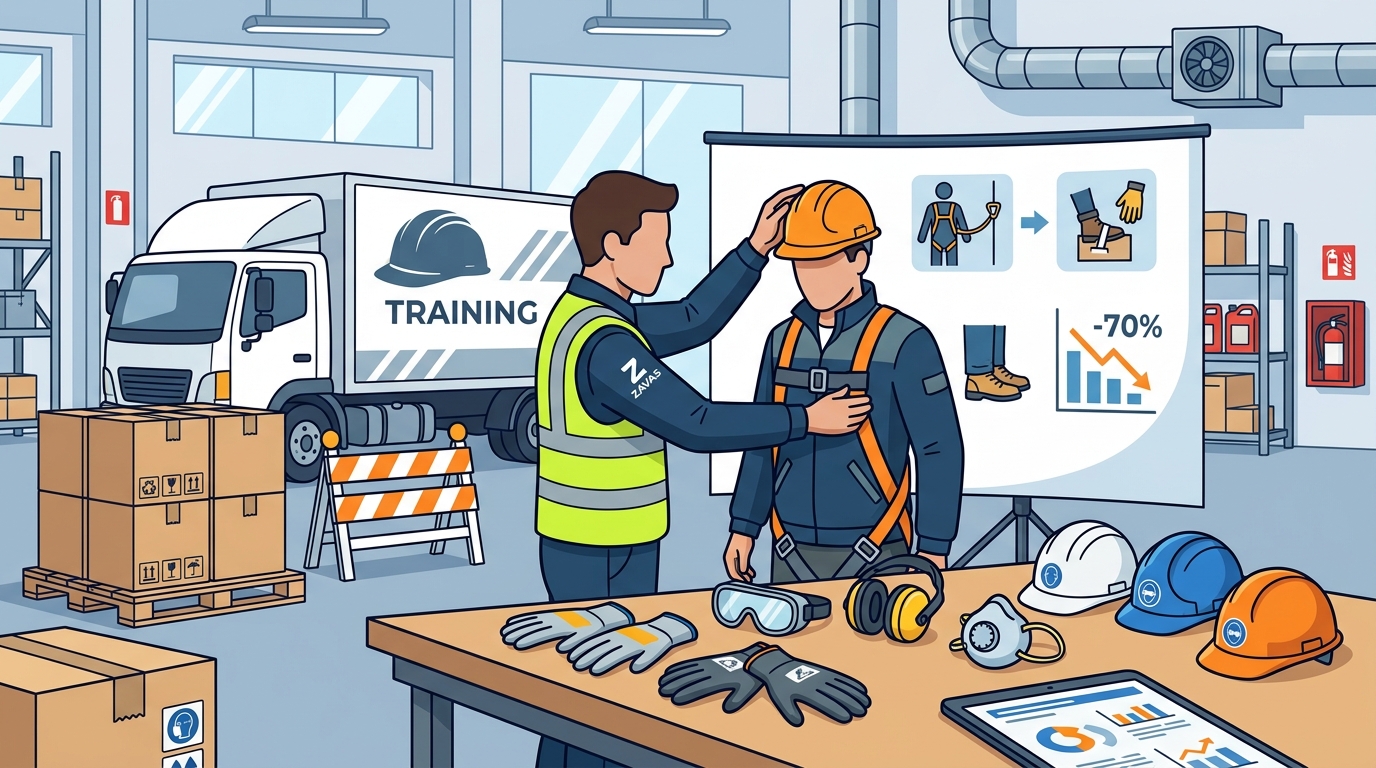
Fall Protection Systems
Fall protection is one of the most critical areas. Training must cover harness inspection, anchor point selection, and rescue procedures. Regulatory updates in 2024 have tightened standards for personal fall arrest systems. Employees must know how to identify wear and tear on straps and buckles.
Protective Footwear
Proper footwear selection is often overlooked. Training should explain the difference between S1, S2, and S3 safety ratings. Employees need to understand why steel-toe boots are not always the best choice. Composite-toe options offer similar protection with less weight, reducing fatigue. Industry benchmarks show that lighter footwear can improve worker productivity by 15%.
High-Visibility Clothing
Visibility is crucial in low-light environments. Training must cover EN ISO 20471 standards. Employees should know the difference between Class 2 and Class 3 garments. Proper fit is essential; loose clothing can get caught in machinery. Safety guidelines from 2025 emphasize the importance of reflective material durability.
Respiratory Protection
For industries with airborne hazards, respiratory training is non-negotiable. This includes fit-testing and cartridge replacement schedules. Employees must understand the limitations of their masks. Health statistics from 2023 highlight the long-term risks of improper respirator use.
Step 5: Measure Training Impact
Training is an investment that requires a return. Track key performance indicators (KPIs) to measure success. Monitor the frequency of safety incidents before and after the training. Conduct follow-up assessments to ensure knowledge retention. Corporate safety reports indicate that companies with regular training see a 50% reduction in repeat violations.
Use feedback forms to gather employee insights. Are the materials clear? Is the instructor effective? Use this data to refine future sessions. Continuous improvement is the hallmark of a mature safety culture.
Key Takeaways
- Partner with suppliers who offer certified on-site training, such as Zavas.
- Conduct a pre-training hazard audit to target specific safety gaps.
- Prioritize fall protection, footwear, and high-visibility clothing education.
- Schedule sessions during low-production hours to maximize attendance.
- Track incident rates to measure the ROI of your training program.
- Use composite-toe footwear to reduce worker fatigue and improve productivity.
- Ensure all training aligns with the latest EN ISO safety standards.
Frequently Asked Questions
How often should safety training be conducted?
Annual refresher courses are the industry standard. However, high-risk roles may require quarterly updates. OSHA guidelines recommend frequent training for dynamic work environments.
Can a PPE supplier provide custom training content?
Yes, many specialized suppliers can tailor their modules to your specific industry hazards. This ensures relevance and practical application.
What is the cost of on-site safety training?
Costs vary based on the number of employees and the complexity of the topics. However, the cost of training is significantly lower than the cost of a single workplace accident.
Do you offer fall protection certification?
Yes, we offer certified courses for working at heights. These courses cover legal requirements, equipment inspection, and rescue planning.
How do I choose the right safety footwear?
Choose footwear based on the specific hazards of your job site. Consider toe protection, slip resistance, and electrical hazard ratings. Expert advice from Zavas suggests consulting with a safety specialist for personalized recommendations.
Is high-visibility clothing required indoors?
It is required in indoor areas with moving vehicles or low-light conditions. Compliance with EN ISO 20471 is mandatory for such environments.
What happens if an employee fails the training assessment?
Employees are typically given a chance to retake the assessment. If they continue to struggle, they may be restricted from certain tasks until they demonstrate competency.
Ready to Enhance Your Safety Culture?
Investing in on-site training is an investment in your workforce's well-being and your company's longevity. Contact Zavas today to schedule your custom safety workshop. Visit our main website to explore our full range of certified safety equipment and training resources.