

Comparing Fall Arrest Harness Features and Fit Requirements for Your Workplace
Workplace safety is not a static checklist but a dynamic ecosystem of equipment, training, and procedural compliance. According to recent industry safety reports, the proper use of personal protective equipment (PPE) reduces fall-related injuries by over 90% in high-risk environments. However, the effectiveness of this equipment hinges entirely on the correct selection and fit of the fall arrest harness. For professionals operating in Slovenia and the broader European market, understanding the nuanced differences between harness models is critical for both regulatory compliance and worker well-being. This guide explores the essential features, fit requirements, and selection criteria necessary to maintain a safe working environment.
Why Harness Selection Matters
A fall arrest harness is a complex system of straps, buckles, and webbing designed to distribute the immense forces of a fall across the body. Fall arrest is a system. It includes the harness, lanyards, anchor points, and connectors. Selecting the wrong harness can lead to severe suspension trauma, where blood pools in the legs, causing unconsciousness or death within minutes. The primary goal is to keep the worker upright and suspended safely until rescue is achieved.
At Zavas, we emphasize that the harness is the last line of defense. It must be comfortable enough to encourage consistent wear and robust enough to withstand extreme forces. Workers who find their harness uncomfortable are less likely to wear it correctly, increasing the risk of accidents. Therefore, the comparison of features must balance durability with ergonomic design.
Key Features to Compare
When evaluating fall arrest harnesses, several technical features distinguish professional-grade equipment from basic models. Understanding these differences allows safety managers to make informed procurement decisions.
1. D-Ring Configuration
The dorsal D-ring is the primary attachment point for fall arrest. It should be positioned between the shoulder blades to ensure the worker remains upright during a fall. Some harnesses include additional D-rings for positioning or restraint, but the dorsal ring is non-negotiable for fall arrest. Look for reinforced stitching and metal hardware that meets EN 361 standards.
2. Webbing Material and Width
High-quality harnesses use wide, flat webbing to distribute pressure. Narrow straps dig into the skin, causing pain and potential injury. The material is typically high-tenacity polyester, chosen for its strength and resistance to UV degradation. Webbing width is critical. Wider webbing reduces pressure points, enhancing comfort during long shifts.
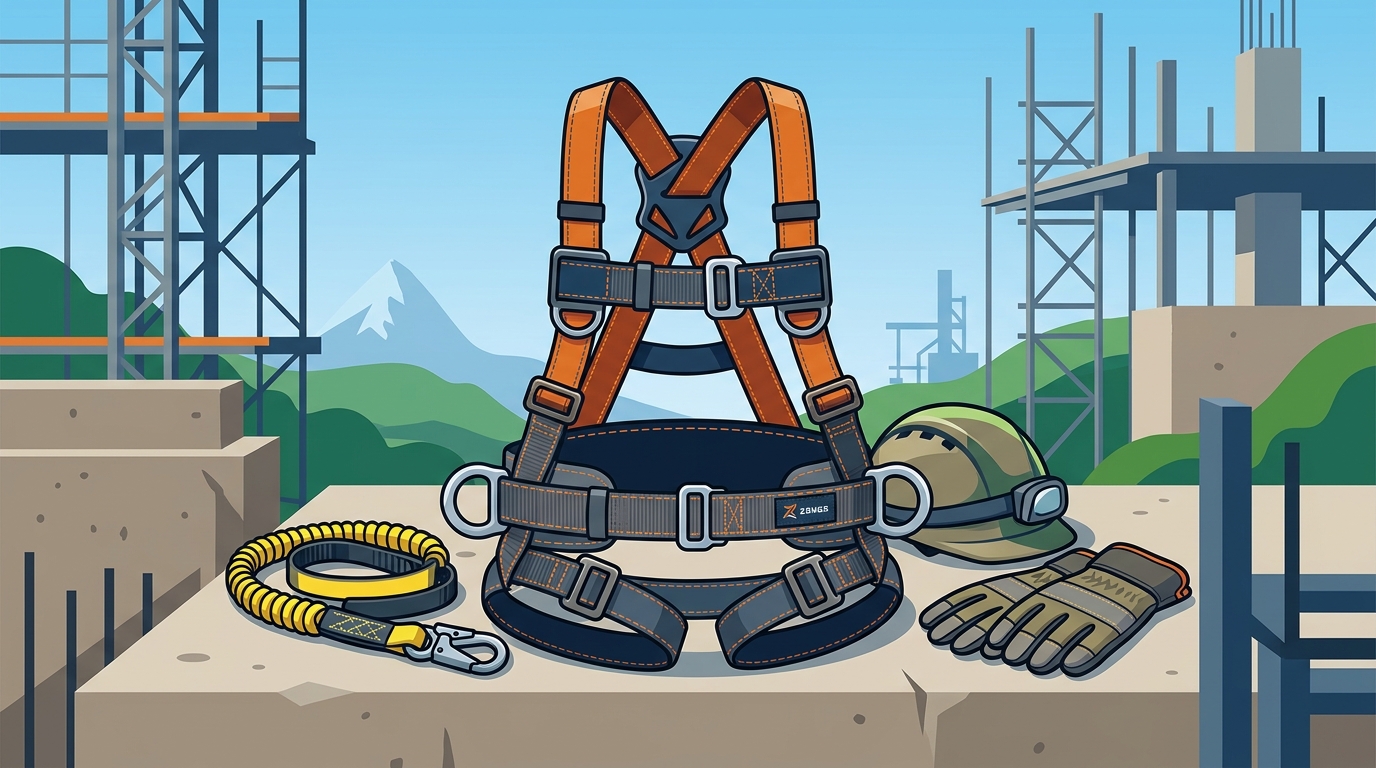
3. Leg Strap Adjustability
Leg straps must be easily adjustable to ensure a snug fit. Loose leg straps can cause the harness to ride up during a fall, leading to ejection or severe internal injuries. Quick-release buckles are preferred for ease of donning and doffing, but they must be secure and resistant to accidental opening.
4. Chest Strap and Lumber Support
A chest strap helps keep the shoulder straps in place and prevents the harness from sliding up. Some advanced models include lumbar support pads to reduce back strain during prolonged suspension. These features are particularly important for workers who spend hours at height.
Fit Requirements and Sizing
Proper fit is the most overlooked aspect of fall protection. A harness that is too large can fail to protect, while one that is too small can cause injury. The fit must be checked before every use.
Step-by-Step Fitting Guide
- Shoulder Straps: Adjust the shoulder straps so the dorsal D-ring is positioned correctly between the shoulder blades. The strap should not be twisted.
- Leg Straps: Tighten the leg straps until you can fit only two fingers between the strap and the worker's thigh. This ensures a secure fit without restricting circulation.
- Chest Strap: Position the chest strap at the level of the sternum. It should be snug but not restrictive.
- Overall Check: Have the worker move around, squat, and reach. The harness should not shift significantly. If it does, adjust the straps again.
At Zavas Amblog, we provide detailed resources on proper PPE usage. Remember that harnesses come in various sizes, from small to extra-large. Always refer to the manufacturer's sizing chart, as fit can vary between brands.
Slovenian Regulatory Context
In Slovenia, workplace safety is governed by strict regulations that align with European standards. The Zavas team ensures that all equipment sold meets EN 361 (Personal fall arrest systems - Full body harnesses) and EN 365 (General requirements for instructions for use, maintenance, periodic examination, repair, refurbishment, and disposal of personal fall protection equipment and their elements) standards.
Employers are required to conduct regular inspections of fall arrest equipment. This includes checking for wear, tear, and damage to webbing and hardware. Any harness that has been subjected to a fall force must be taken out of service immediately, even if no damage is visible. The internal energy absorber may have been compromised.
For more information on safety standards, refer to the Zavas product catalog which details the compliance certifications for each harness model.
Harness Comparison Matrix
The following table compares common types of fall arrest harnesses based on their features and ideal use cases.
| Feature | Standard Full Body Harness | Positioning Harness | Rescue Harness |
|---|---|---|---|
| Primary D-Ring | Dorsal (Back) | Sternum or Dorsal | Dorsal and Sternal |
| Leg Straps | Adjustable, Quick-Release | Minimal or None | Reinforced, Padded |
| Webbing Width | Wide (40-50mm) | Narrower (for mobility) | Wide, High-Durability |
| Ideal Use Case | General Fall Arrest | Work Positioning | Rescue and Suspension |
| Comfort Level | High | Medium | Very High |
Key Takeaways
- Proper Fit is Critical: A harness must be snug but not restrictive. Check leg straps and shoulder straps before every use.
- Dorsal D-Ring Placement: Ensure the dorsal D-ring is positioned between the shoulder blades to maintain an upright posture during a fall.
- EN Standards Compliance: All harnesses sold in Slovenia must meet EN 361 and EN 365 standards for safety and durability.
- Regular Inspections: Conduct visual inspections of webbing and hardware regularly. Remove any damaged equipment from service immediately.
- Comfort Encourages Compliance: Workers are more likely to wear comfortable harnesses correctly. Choose models with padded leg straps and wide webbing.
- Rescue Planning: Have a rescue plan in place. Suspension trauma can occur within minutes, so quick rescue is essential.
- Professional Consultation: Consult with safety experts like those at Zavas to select the right harness for your specific workplace hazards.
Frequently Asked Questions
How often should a fall arrest harness be inspected?
Visual inspections should be conducted before each use by the worker. Formal inspections by a competent person should be performed at least annually, or more frequently depending on usage intensity.
What is suspension trauma?
Suspension trauma, also known as harness-induced pathophysiology, occurs when a worker hangs in a harness for an extended period. Blood pools in the legs, leading to reduced blood flow to the heart and brain, which can cause unconsciousness or death.
Can I use a positioning harness for fall arrest?
No. Positioning harnesses are designed to hold a worker in place but may not have the strength or attachment points to arrest a fall. Always use a full-body fall arrest harness for fall protection.
How do I know if a harness has been involved in a fall?
If a harness has been subjected to fall forces, it must be taken out of service immediately. Even if no damage is visible, the internal energy absorber may have been compromised. Do not attempt to repair it.
What size harness do I need?
Harness sizes vary by manufacturer. Refer to the sizing chart provided by the manufacturer. Generally, you need to measure the worker's chest and waist circumference to determine the correct size.
Are there specific regulations for fall protection in Slovenia?
Yes, Slovenia follows European standards (EN) for personal protective equipment. Employers must ensure that all equipment meets these standards and that workers are trained in their proper use.
How long does a fall arrest harness last?
The lifespan depends on usage, storage conditions, and exposure to environmental factors. Generally, harnesses should be replaced every 3-5 years, or sooner if signs of wear are present.
Contact Zavas for Expert Advice
Selecting the right fall arrest harness is a critical decision that impacts worker safety and regulatory compliance. At Zavas, we provide a comprehensive range of high-quality fall protection equipment, including harnesses, lanyards, and anchor points. Our team of experts is available to help you choose the right products for your specific workplace needs.
Visit our blog for more safety tips and guides. Contact us today to schedule a consultation or to place an order for your fall protection equipment.