
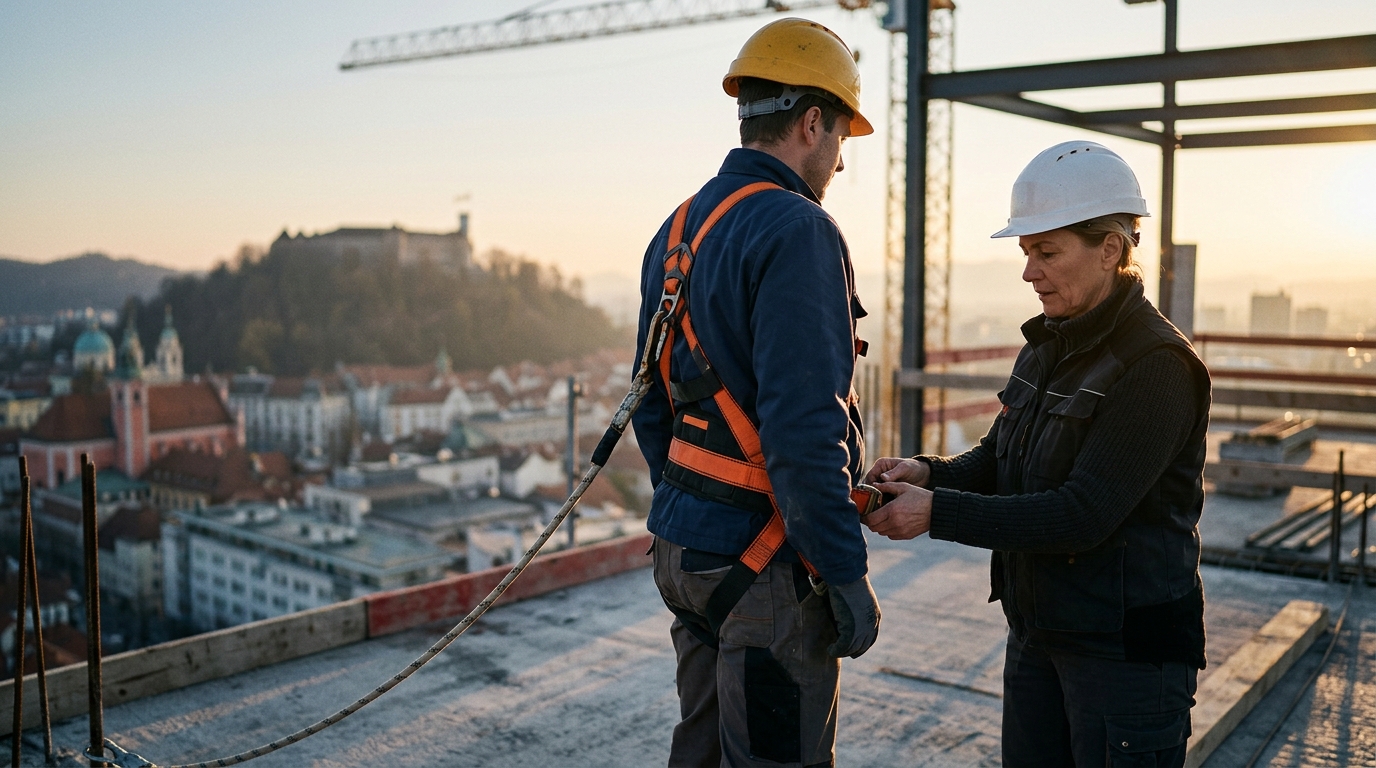
Ultimate Guide to Selecting Fall Arrest Harnesses for Height Safety Compliance
Choosing the right fall arrest harness requires matching the specific work environment, user physiology, and regulatory standards to the equipment's technical capabilities. Zavas provides specialized B2B sales of personal protective equipment, helping organizations in Slovenia and the region select compliant gear. This guide covers selection criteria, verification methods, costs, and local regulatory specifics to ensure your team works safely at height. For additional details, review the Povpra evanje.
Selection Criteria: Good vs. Bad Options
Fit and Ergonomics
Task-Specific Features
Different tasks require different harness configurations. For general fall protection, a full-body harness with a dorsal D-ring is standard. For positioning tasks, a harness with ventral D-rings or side D-rings allows the worker to lean out or hang from the equipment. Selecting a harness that lacks the necessary attachment points for the specific job forces workers to use improvised solutions, which are unsafe and non-compliant. For additional details, review the Katalogi.
Questions to Ask Before Committing
Before purchasing, stakeholders must ask specific questions to ensure the equipment meets operational needs. These questions help filter out generic products that do not fit the unique requirements of the workplace. For additional details, review the Lokacije trgovin si.
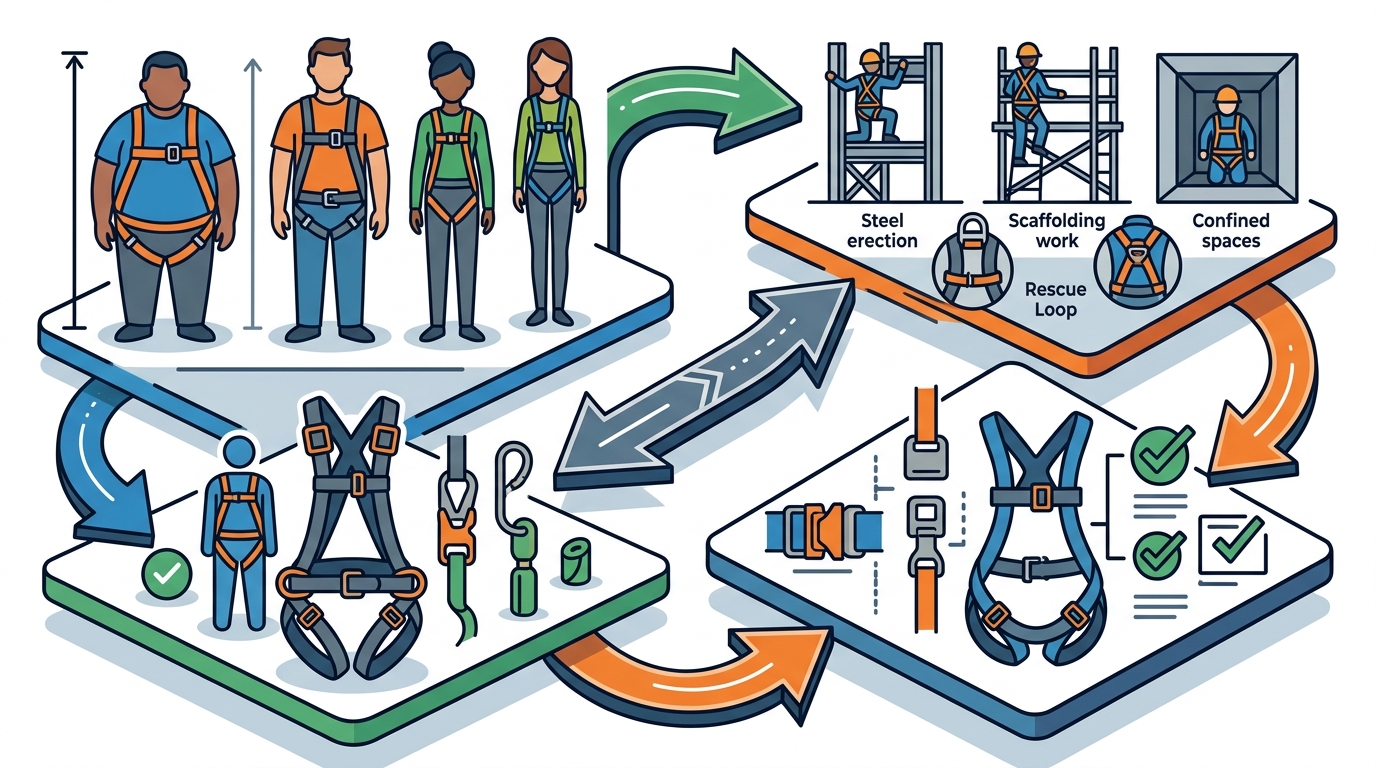
Operational Questions
User-Centric Questions
Consult with the workers who will use the equipment. Ask about their comfort preferences and any physical limitations. A harness that is difficult to put on or take off will be resisted by the workforce. Involving end-users in the selection process significantly improves adoption rates and safety culture.
Verifying Claims and Credentials
Verifying that a harness meets safety standards is non-negotiable. A certified harness is one that has been tested and approved by a recognized standards body, such as EN 361 in Europe. Always check for the CE marking and the specific standard number on the product label. Do not rely on marketing claims alone; verify the certification documents provided by the manufacturer.
Manufacturer Reputation
Documentation
Request the technical data sheet and user manual for the specific model. These documents should detail the load capacity, weight limits, and maintenance requirements. If a manufacturer cannot provide clear documentation, do not purchase the product. Proper documentation is also required for regulatory inspections.
The Selection Process and Timeline
The process of selecting and deploying fall arrest harnesses involves several distinct stages. It is not a one-time purchase but a structured workflow that ensures long-term compliance.
Assessment and Trial
Begin with a risk assessment of the work environment. Identify the specific hazards and the types of falls that could occur. Following the assessment, order a small batch of candidate harnesses for trial. Allow workers to use the trial units for a short period to provide feedback on fit and comfort.
Training and Deployment
Once the correct model is selected, provide comprehensive training to all users. Training should cover how to don and doff the harness, how to inspect it before use, and how to respond in a fall event. Only after successful training should the full inventory be deployed. This process typically takes several weeks, depending on the size of the workforce and the complexity of the tasks.
Cost Drivers and Budgeting
The cost of a fall arrest harness varies based on several factors. Understanding these drivers helps in budgeting and justifying the investment to management.
Feature Complexity
Volume and Brand
Common Mistakes and How to Avoid Them
Organizations frequently make errors in harness selection that compromise safety. Avoiding these mistakes is crucial for maintaining a safe work environment.
Ignoring Fit
The most common mistake is buying a one-size-fits-all harness that does not fit most workers. This leads to poor protection and non-compliance. Always select harnesses with a wide range of adjustability or purchase multiple sizes to ensure a proper fit for every individual.
Skipping Inspection Protocols
Another critical error is failing to establish a routine inspection protocol. Harnesses must be inspected before every use and periodically by a competent person. Without a clear inspection schedule, damaged equipment may remain in use, posing a severe risk to workers.
Harnesses vs. Alternative Safety Systems
While fall arrest harnesses are the primary means of protection, they are not the only option. Understanding the alternatives helps in choosing the best system for the specific task.
Fall Restraint
Fall restraint systems prevent a fall from occurring in the first place. They are preferred over fall arrest when possible, as they eliminate the risk of impact forces. However, restraint systems limit the worker's range of motion, which may not be suitable for all tasks.
Guardrails and Netting
Collective protection systems, such as guardrails and safety netting, are often the first line of defense. They protect all workers in the area without requiring individual PPE. Where collective protection is not feasible, personal fall protection systems like harnesses are required.
Scenario-Specific Selection
The ideal harness depends on the specific work scenario. Different environments and tasks demand different equipment configurations.
Construction and Roofing
For construction and roofing work, a full-body harness with a dorsal D-ring and a self-retracting lifeline is often the best choice. This setup provides continuous protection as the worker moves across the roof. The harness should be lightweight to reduce fatigue during long days on the roof.
Industrial Maintenance
Rules and Protections
Compliance with safety regulations is mandatory. In Europe, the Personal Protective Equipment Regulation (EU) 2016/425 governs the design, manufacture, and marketing of PPE. Employers are required to provide appropriate PPE to their workers and ensure it is used correctly.
Employer Responsibilities
Employers must conduct a risk assessment to determine the need for PPE. They must also provide training on the correct use of the equipment and ensure it is maintained in good condition. Failure to comply with these regulations can result in fines and legal liability in the event of an accident.
Worker Responsibilities
Workers are responsible for using the PPE as instructed and reporting any defects or damage. They must also participate in training and inspections. A shared responsibility model ensures that safety is a priority for both the organization and the individual.
Local Specifics for Slovenia
In Slovenia, specific local regulations and market conditions influence the selection of fall arrest harnesses. The country follows EU directives, but local enforcement and market availability can vary.
Local Suppliers
Zavas is a leading supplier of PPE in Slovenia, offering a wide range of harnesses from reputable brands. Their local presence ensures quick delivery and access to technical support. Working with a local supplier simplifies compliance and provides a direct channel for addressing any issues that arise.
Language and Documentation
Timing and Procurement Cycles
Timing is critical in the procurement of safety equipment. Planning ahead ensures that the right equipment is available when needed.
Seasonal Demand
Construction and outdoor work often peak in certain seasons. Order harnesses well in advance of these periods to avoid stock shortages. Lead times for specialized equipment can be longer than for standard items, so early planning is essential.
Replacement Cycles
Establish a regular replacement cycle for harnesses. Even if a harness appears undamaged, it should be replaced after a certain period of use or after a fall event. Planning for regular replacements ensures that workers always have access to safe, compliant equipment.
Long-Term Results and Maintenance
Investing in the right fall arrest harnesses yields measurable long-term results. Proper selection and maintenance lead to improved safety outcomes and reduced costs.
Safety Metrics
Track safety metrics such as the number of near-misses and incidents. A well-implemented harness program should result in a decrease in these metrics over time. Regular reviews of these metrics help identify areas for improvement and ensure that the program remains effective.
Maintenance and Inspection
Implement a rigorous maintenance and inspection program. Regular inspections help identify wear and tear before it becomes a safety hazard. Proper maintenance extends the life of the equipment and ensures that it performs as intended when needed.
Key Takeaways
- Fit is the most critical factor in harness selection; ensure adjustability for all users.
- Verify CE certification and EN 361 compliance before purchasing.
- Involve end-users in the selection process to improve adoption and comfort.
- Provide comprehensive training on donning, doffing, and inspection.
- Establish a routine inspection protocol to detect damage early.
- Consider fall restraint as a first option where feasible.
- Plan procurement ahead of seasonal peaks to avoid shortages.
- Track safety metrics to measure the effectiveness of the program.
Frequently Asked Questions
What is the difference between a fall arrest harness and a positioning harness?
A fall arrest harness is designed to stop a fall and limit impact forces, while a positioning harness allows the worker to lean out or hang from the equipment for tasks. Fall arrest harnesses typically have a dorsal D-ring, whereas positioning harnesses may have ventral or side D-rings.
How often should a harness be inspected?
A harness should be inspected by the user before every use and by a competent person at regular intervals, typically every six months or as specified by the manufacturer. Any harness that has been involved in a fall event must be removed from service immediately.
Can I use a harness that has been in a fall?
No. A harness that has arrested a fall must be destroyed or removed from service. The internal fibers and materials may be damaged in ways that are not visible, compromising the harness's ability to protect in a future fall.
What is the weight limit for a fall arrest harness?
Most fall arrest harnesses are rated for a maximum user weight of 140 kg (308 lbs). Always check the manufacturer's specifications for the specific model to ensure it meets the needs of your workforce.
How do I choose the right size of harness?
Measure the user's height and weight and refer to the manufacturer's sizing chart. The harness should fit snugly but not restrict movement. If a user falls between sizes, choose the larger size and adjust the straps for a proper fit.
Is training required for harness use?
Yes. Workers must be trained on the correct use of the harness, including how to put it on, take it off, and inspect it. Training should also cover the risks of suspension trauma and the importance of rescue planning.