
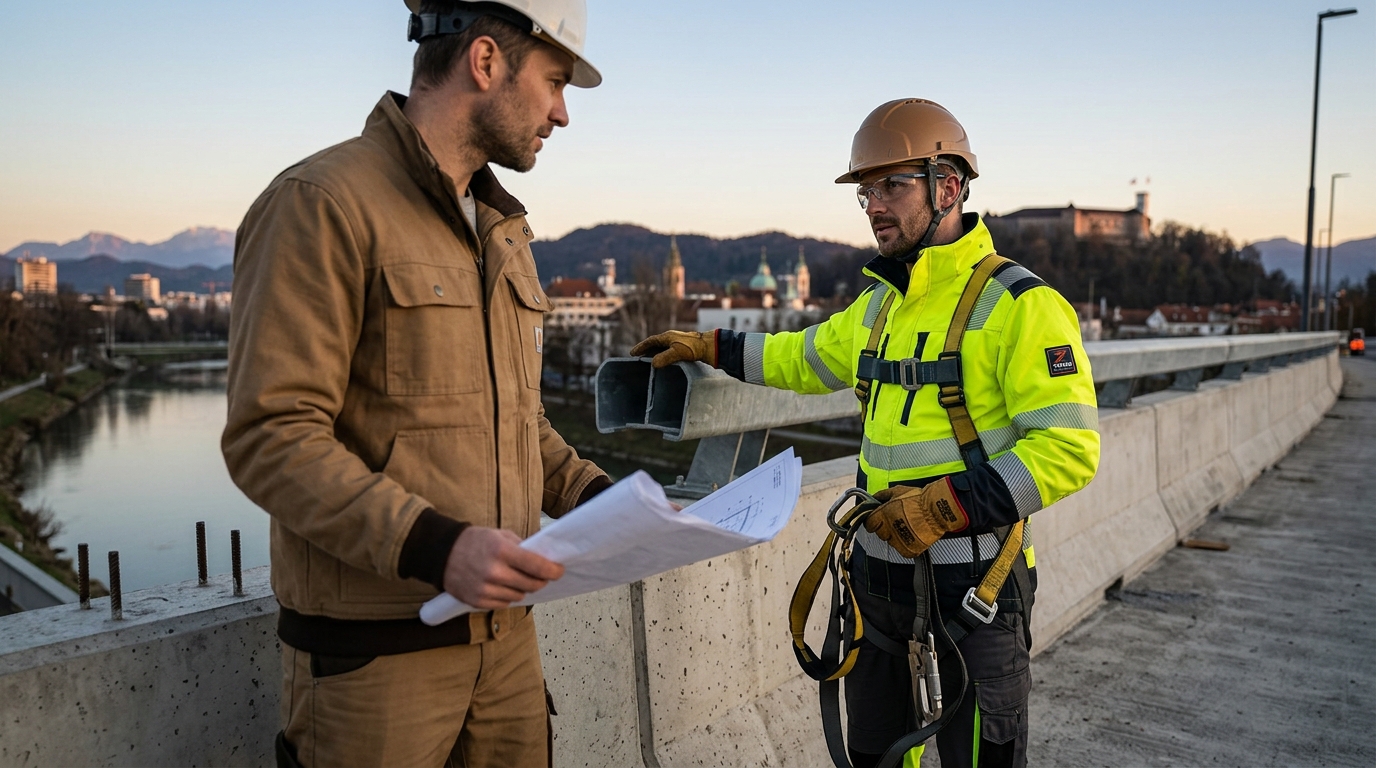
Protective equipment is not a one-size-fits-all solution. In Slovenia, where industrial standards align closely with EU regulations, selecting the correct gear can mean the difference between a productive workday and a serious injury. According to recent safety reports, proper personal protective equipment (PPE) reduces workplace accidents by up to 67% in high-risk sectors. This article breaks down the critical differences between standard workwear and specialized safety gear, helping you make an informed choice for your team.
Understanding the Basics
Before diving into specific products, it is essential to define the core categories. Workwear is durable clothing designed for comfort and general protection against dirt, weather, and minor abrasions. Safety Gear refers to specialized equipment engineered to protect against specific, high-level hazards such as impact, chemical exposure, or electrical shock.
In the Slovenian market, businesses often confuse these two categories. For example, a construction worker might wear standard cargo pants for comfort, but without the reinforced knees and high-visibility elements required by safety standards, they are exposed to unnecessary risk. Zavas provides a comprehensive range of both categories to ensure you are never under-equipped.
Safety Footwear: Standards and Selection
Footwear is the most critical piece of safety gear for industrial workers. The European standard EN ISO 20345 defines the requirements for safety shoes. Understanding these codes is vital for compliance.
Reading the Safety Codes
When browsing our product catalog, you will encounter codes like S1, S2, S3, and S5. Each code indicates a specific level of protection:
- S1: Basic safety with a closed heel and antistatic properties.
- S3: Enhanced protection including a penetration-resistant midsole and water resistance.
- S5: The highest level of water and penetration resistance, often used in wet environments.
For instance, the HH Oslo 2.0 S1PS offers aluminum toe caps and excellent moisture management, making it ideal for indoor industrial settings. Conversely, the Elten Joran Boa S3L is designed for heavy-duty outdoor use with superior grip and protection.
Comfort Technologies
Modern safety gear no longer sacrifices comfort for protection. Brands like Helly Hansen utilize AEROSTRIDE technology, which combines EVA and nitrogen-infused foam for optimal cushioning. This reduces fatigue during long shifts, a factor that directly impacts worker productivity and safety awareness.
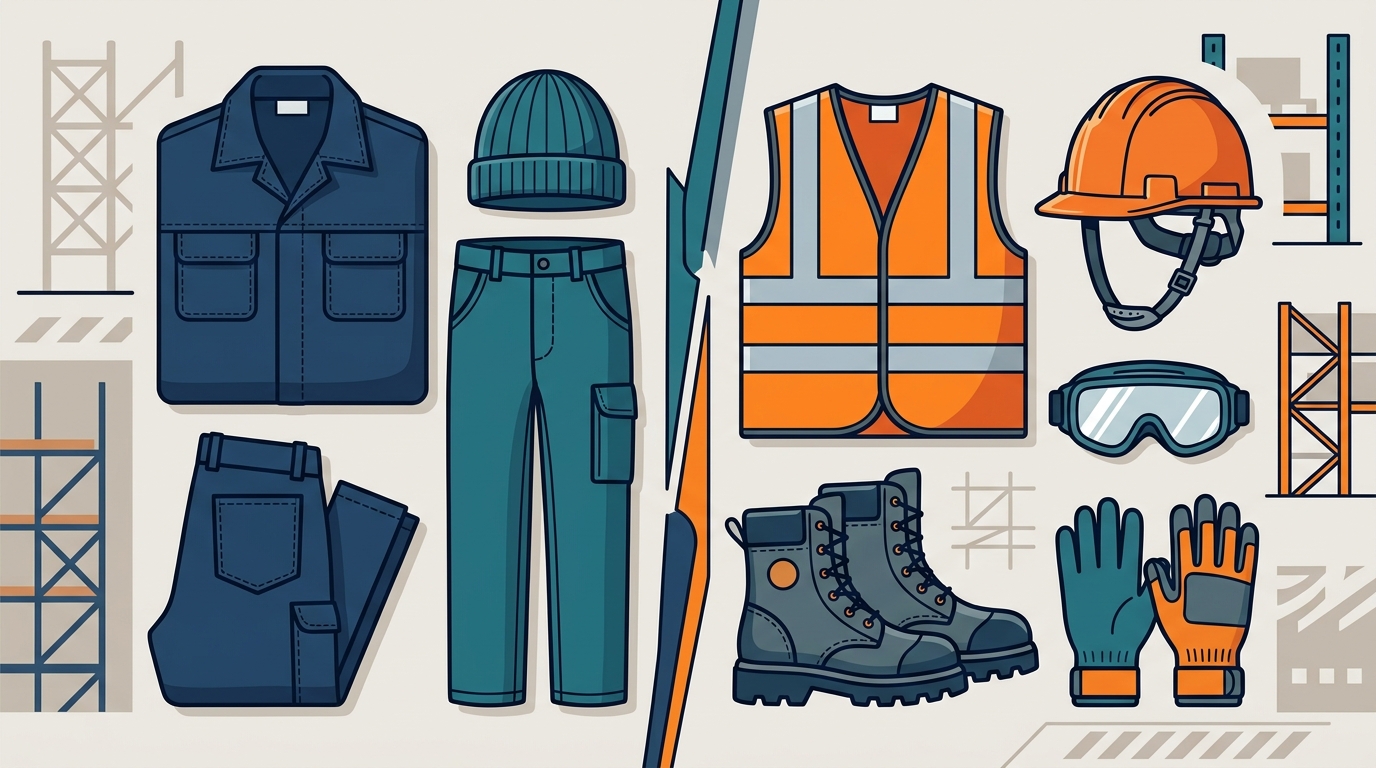
Protective Clothing: Materials and Durability
Workwear and protective clothing serve different purposes. Workwear focuses on longevity and comfort, while protective clothing focuses on hazard mitigation.
Material Science in Workwear
High-quality workwear, such as the HH Oxford Cargo 4X, uses 4-way stretch fabrics that allow for full range of motion. The material composition, typically a blend of polyamide and elastane, ensures durability without restricting movement. This is crucial for workers who need to climb, bend, and reach frequently.
Weather Protection
Slovenia's variable climate demands versatile outer layers. The HH Voss Raincoat provides waterproof protection with breathable materials, ensuring workers stay dry without overheating. Similarly, the Voss Rain Pants offer essential lower-body protection against heavy rains common in the region.
High-Visibility Standards
For workers near traffic or in low-light conditions, high-visibility clothing is mandatory. These garments must meet EN ISO 20471 standards, which dictate the amount of fluorescent and reflective material required. Zavas offers a range of high-visibility options that comply with these strict regulations.
Comparison Table
The following table summarizes the key differences between standard workwear and specialized safety gear to help you decide.
| Feature | Standard Workwear | Specialized Safety Gear |
|---|---|---|
| Primary Purpose | Comfort, durability, and general protection. | Mitigation of specific high-risk hazards. |
| Regulatory Standards | Often follows general textile quality standards. | Must comply with EN ISO safety standards (e.g., 20345, 20471). |
| Materials | Stretch fabrics, cotton blends, lightweight synthetics. | Reinforced knees, steel/composite toe caps, waterproof membranes. |
| Use Case | Logistics, light assembly, outdoor maintenance. | Construction, heavy industry, chemical handling. |
| Cost Factor | Lower initial cost, high longevity. | Higher initial cost, essential for compliance and safety. |
Key Takeaways
- Compliance is Non-Negotiable: Always check for EN ISO certification labels on safety gear to ensure legal compliance in Slovenia.
- Comfort Drives Safety: Workers are more likely to wear proper gear if it is comfortable. Look for features like AEROSTRIDE technology in footwear.
- Material Matters: Polyamide blends offer superior durability compared to standard cotton for heavy-duty work.
- Weather Adaptability:: Invest in waterproof layers like the HH Voss series for Slovenia's climate.
- Footwear Codes: Understand the difference between S1, S2, S3, and S5 to match your environment.
- High-Visibility Needs: EN ISO 20471 standards dictate reflective material requirements for road safety.
- Expert Support: Zavas offers professional consultation to help you select the right mix of workwear and safety gear.
Frequently Asked Questions
What is the difference between S1 and S3 safety shoes?
S1 shoes offer basic protection with antistatic properties and a closed heel. S3 shoes add a penetration-resistant midsole and water resistance, making them suitable for wet and hazardous environments.
How do I choose the right workwear for outdoor work in Slovenia?
Look for 4-way stretch fabrics for mobility and waterproof breathable membranes for weather protection. The HH Oxford Cargo pants are a popular choice for this reason.
Are steel toe caps still the best option?
Not always. Composite toe caps, like those in the HH Oslo 2.0, are lighter and non-conductive, making them safer for electrical work while providing equal impact protection.
What does EN ISO 20471 mean for high-visibility clothing?
It is the European standard for high-visibility clothing. It specifies the minimum amount of fluorescent background material and retro-reflective tape required to ensure visibility in low-light conditions.
Can I return safety gear if it does not fit?
Yes, Zavas offers easy returns and exchanges for selected items. Please check the specific product page for return eligibility details.
Why is comfort important in safety gear?
Uncomfortable gear is often removed by workers, leaving them unprotected. Comfort features like anatomical insoles and stretch fabrics encourage consistent wear.
Does Zavas offer training on safety standards?
Yes, Zavas provides training courses on safe work at heights and other safety topics. Visit our training page for more information.
Contact Zavas
Choosing the right protective equipment is a critical investment in your workforce's well-being. Whether you need heavy-duty safety boots or versatile workwear, Zavas has the expertise and inventory to meet your needs. Contact our team today to discuss your requirements and receive personalized recommendations.
Get Expert Advice or call us at 080 22 75 for immediate assistance.